



10 minute read · Craft 360 Australia
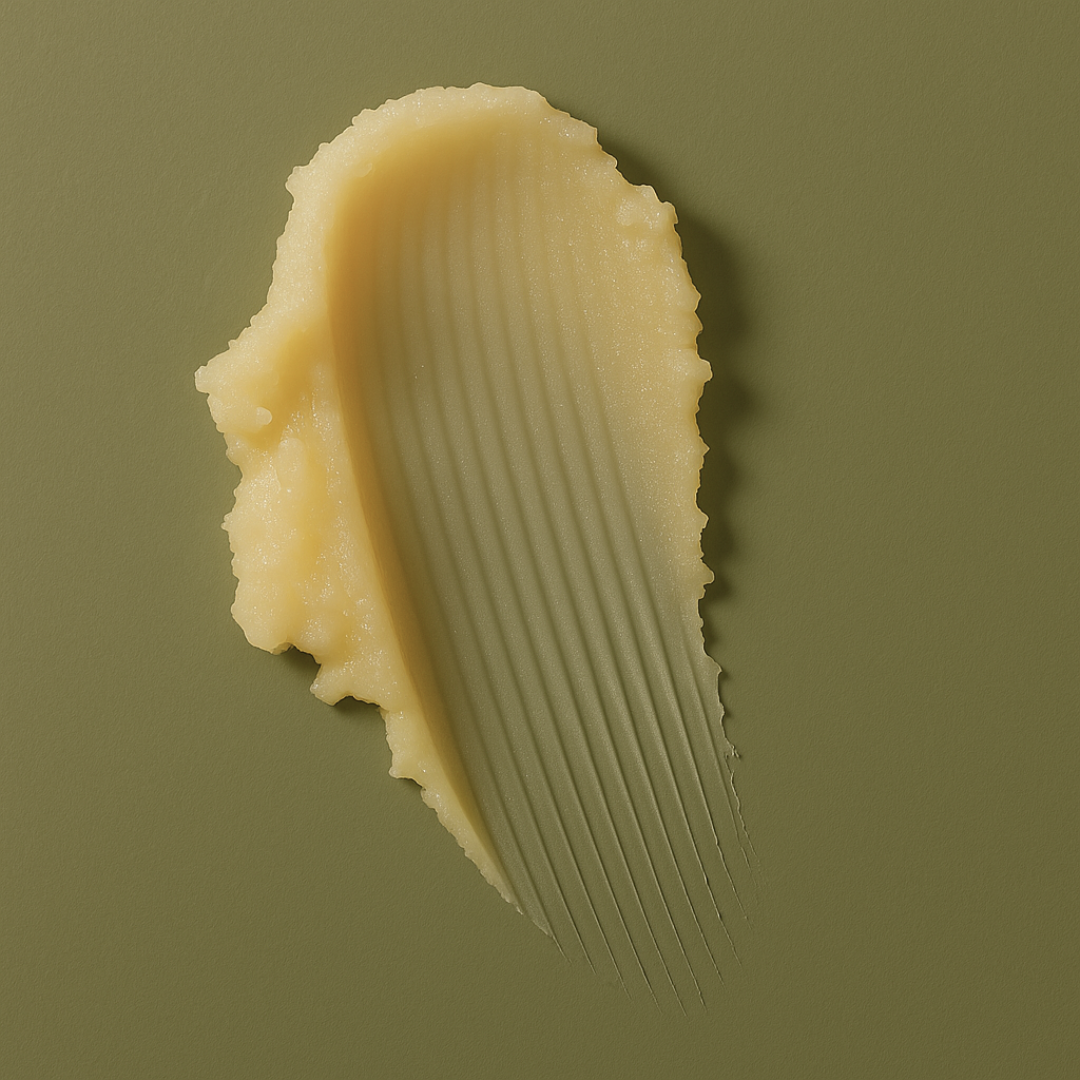
There is something quietly indulgent about a truly well-made lip balm. Not the kind that sits on top of your lips and feels waxy or plasticky, but one that melts in immediately, conditions deeply, and leaves your lips feeling genuinely soft and comfortable for hours. This one aims to do exactly that.
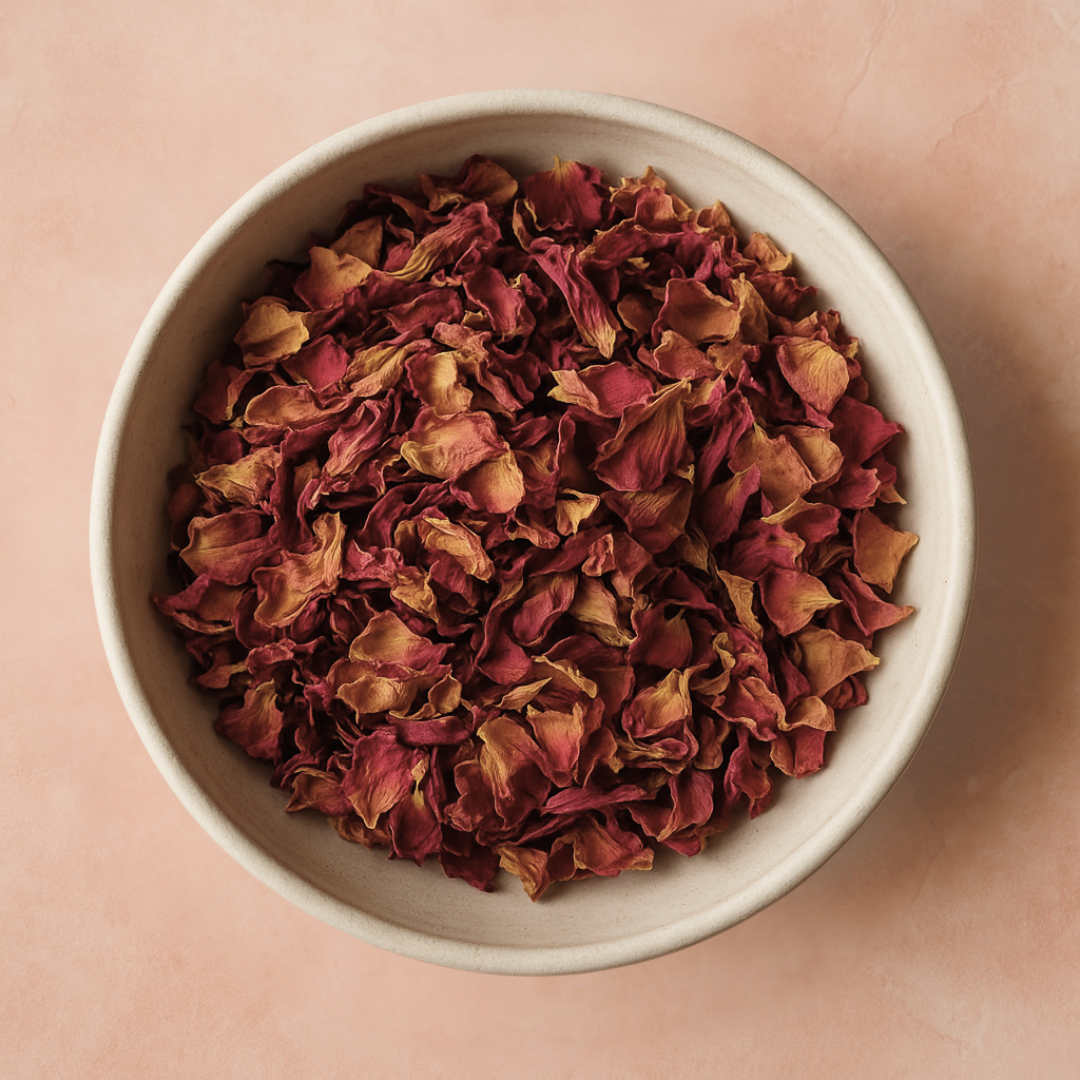
The Rose Chamomile Elixir Lip Balm is a botanically inspired formulation built around two beautiful herb-infused carrier oils: organic pink rose petals infused in sweet almond oil, and organic chamomile flowers infused in organic golden jojoba oil. These infusions are where the magic lives, rather than using plain carrier oils, infusing them with dried botanicals first allows plant compounds to transfer into the oil, adding an extra layer of botanical character to your finished product.
Before you dive in, one clear piece of advice: read this blog fully before you touch a single ingredient. Lip balm formulation looks simple on the surface, but there are several critical technique steps, particularly around shea butter and cooling, that make the difference between a silky, professional result and a grainy, crumbly disappointment.
The Formulation
|
Ingredient |
Percentage |
Phase |
|
25% |
Heated Phase |
|
|
21.8% |
Heated Phase |
|
|
Rose Petal Infused Sweet Almond Oil |
15% |
Heated Phase |
|
13% |
Heated Phase |
|
|
11% |
Heated Phase |
|
|
13% |
Off-Heat Addition |
|
|
Rose Flavour Oil (lip-safe, confirm with supplier) |
0.6% |
Cool-Down Phase |
|
0.5% |
Cool-Down Phase |
|
|
Total |
100% |
Percentages are provided as a general formulation guide. Results may vary depending on your specific ingredients, suppliers, and geographic conditions. Always refer to your supplier's documentation and perform your own testing before producing products for sale.
Equipment You Will Need
- Digital scales accurate to 0.1g
- Double boiler or heat-resistant glass bowl over a saucepan
- Thermometer (essential, not optional)
- Rubber spatula or glass stirring rod
- Lip balm tubes or small tins
- Pipette or small pouring jug for filling tubes neatly
- Refrigerator access for rapid cooling
Step-by-Step Process
Step 0: Prepare Your Infused Oils - Do This 3 Weeks Before You Begin
Both carrier oils in this recipe, the rose petal infused sweet almond oil and the chamomile flower infused jojoba oil need to be prepared in advance. Allow at least 3 weeks before you plan to make your lip balm.
What you'll need:
- Dried organic rose petals (not fresh, moisture causes spoilage)
- Dried organic chamomile flowers (not fresh)
- Sweet almond oil
- Organic golden jojoba oil
- Two clean, dry, sealable glass jars
- Fine mesh strainer or cheesecloth
- Labels and a marker
How to make your infused oils:
1. Check your botanicals are fully dry. If in any doubt, spread them on a baking tray and place in an oven at approximately 40°C for 30 minutes. Allow to cool completely before using. Any moisture in the botanicals can encourage microbial growth and shorten the shelf life of your finished infusion.
2. Fill your jars. Place your dried rose petals into one clean, dry glass jar and your dried chamomile flowers into a second. Fill each jar loosely, do not pack tightly.
3. Cover with oil. Pour your sweet almond oil over the rose petals and your jojoba oil over the chamomile flowers, ensuring the botanicals are fully submerged. Leave at least 2–3 cm of oil above the botanicals to allow for expansion.
4. Seal and store. Cap the jars tightly. Store in a cool, dark location , a cupboard away from direct sunlight and heat is ideal. Do not refrigerate during the infusion period.
5. Wait 3 weeks. Give the jars a gentle swirl every few days to help the infusion along. The oil will gradually take on colour and botanical character from the dried flowers over this period.
6. Strain. After 3 weeks, strain each oil through a fine mesh strainer or double layer of cheesecloth into a clean, dry container. Press the botanicals gently to extract as much infused oil as possible, then discard the spent botanicals.
7. Label and store. Label each infused oil with the base oil used, the botanical, the infusion date, and the straining date. Store in a sealed, amber glass bottle in a cool, dark place until you're ready to formulate. Use within 6–9 months, or within the shelf life of the base oil, whichever comes first.
Your infused oils are now ready to use in your Rose Chamomile Elixir Lip Balm.
📖 For a more detailed guide to botanical oil infusions, including cold infusion vs warm infusion methods and how to use them in facial oils and body products, read: How to Make a Winter Botanical Facial Oil →
Step 1: Sanitise Everything
Clean and sanitise your workspace, all equipment, and your containers before you begin. Have all ingredients pre-weighed and ready. Do not skip this step for any lip product.
Step 2: Heated Phase: Beeswax, Cocoa Butter, and Carrier Oils
In your double boiler, combine the beeswax pellets, cocoa butter, rose petal infused sweet almond oil, and fractionated coconut MCT oil. Heat gently over low to medium heat, stirring occasionally. Monitor with a thermometer and aim to keep the temperature between 70°C and 75°C. Avoid exceeding 75°C where possible.
🚫 Do NOT add shea butter or chamomile jojoba oil at this stage.
Continue until the beeswax and cocoa butter are fully melted and the mixture is uniform and clear.
Step 3: Add the Chamomile Jojoba
Once everything in the heated phase is fully melted, add the chamomile flower infused jojoba oil and stir to combine.
Step 4: Off-Heat: Add Shea Butter
Remove the mixture from the heat completely. Allow it to cool to approximately 55°C to 60°C, use your thermometer to confirm this.
Add the shea butter and stir gently but thoroughly until it has fully melted.
Do not return to the heat source at this stage. If the shea butter is slow to melt, stir more actively to encourage it through the residual warmth.
Step 5: Cool-Down Phase
Once the shea butter is fully incorporated and the mixture has cooled to approximately 45°C to 50°C, add the rose flavour oil & vitamin E oil. Stir thoroughly to ensure even distribution.
Step 6: Fill Immediately, Then Refrigerate
Working quickly, fill your lip balm tubes or tins. For tubes, fill slightly above the rim, the balm will contract slightly as it sets.
Place all filled containers directly in the refrigerator immediately after filling. Leave for at least 1 hour.
Step 7: Cap and Label
Once completely cool and fully set, remove from the refrigerator and allow to reach room temperature before capping. Cap and label with your product name, full INCI ingredient list in descending order of concentration, batch number, and date of manufacture.
Why These Ingredients?
Certified Organic White Beeswax Pellets
Beeswax is the structural backbone of this lip balm. With a melting point typically cited at around 61°C to 65°C, it provides the firmness and structure that keeps the balm solid and pushable in a tube. It is also widely referenced as forming a gentle occlusive film on the lip surface that may help support moisture retention and provide a degree of protection from environmental dryness. Craft 360's beeswax is pharmaceutical grade and ACO-certified organic, a quality well-suited to a product applied directly to the lips.
Organic Cocoa Butter
Cocoa butter has a melting point typically in the range of 34°C to 38°C, close to skin temperature, which contributes to the way it softens readily on lip contact. In this formulation it works alongside beeswax to give the balm body and richness while contributing a creamy, conditioning feel. Its fatty acid profile, broadly comprising stearic, oleic, and palmitic acids as major components, contributes to both structural firmness and an emollient skin feel. Note: Specific fatty acid percentages can vary between sources, grades, and regions; always refer to your supplier's Certificate of Analysis for your specific batch. The unrefined version brings a faint, natural chocolate aroma that complements the rose flavour.
Want to learn more about how hard butters like cocoa butter differ from soft butters? Read our Hard Butters, Soft Butters, and Everything In Between guide.
Organic Shea Butter
Shea butter is the conditioning heart of this formulation. It is widely referenced for its relatively high unsaponifiable fraction, commonly cited at up to around 17% in published literature, which includes plant sterols, triterpenes, and tocopherols that may contribute to a nourishing, conditioning feel on the lips. Its melting point of approximately 28°C to 35°C means it softens readily on skin contact, contributing that characteristic creamy, comfortable feel.
Critical formulation note: Shea butter should not be added to the heated phase. Overheating shea butter, particularly above approximately 70°C is widely documented as disrupting its fatty acid crystal structure and significantly increasing the likelihood of graininess in the finished product. It should be added off-heat, at approximately 55°C to 60°C, and allowed to melt through residual warmth only. This is consistent with guidance from industry sources including Formula Botanica and AAK Personal Care.
Rose Petal Infused Sweet Almond Oil
Made by infusing Organic Pink Rose Petals in sweet almond oil. Sweet almond oil is commonly referenced for its oleic and linoleic acid content and is widely used in formulations for sensitive and dry skin. The infusion process allows plant compounds from the dried rose petals to transfer into the carrier oil over time, adding botanical character to the finished product. The result is a conditioned base that contributes a luxurious, gliding feel to the lip balm.
Chamomile Flower Infused Organic Golden Jojoba Oil
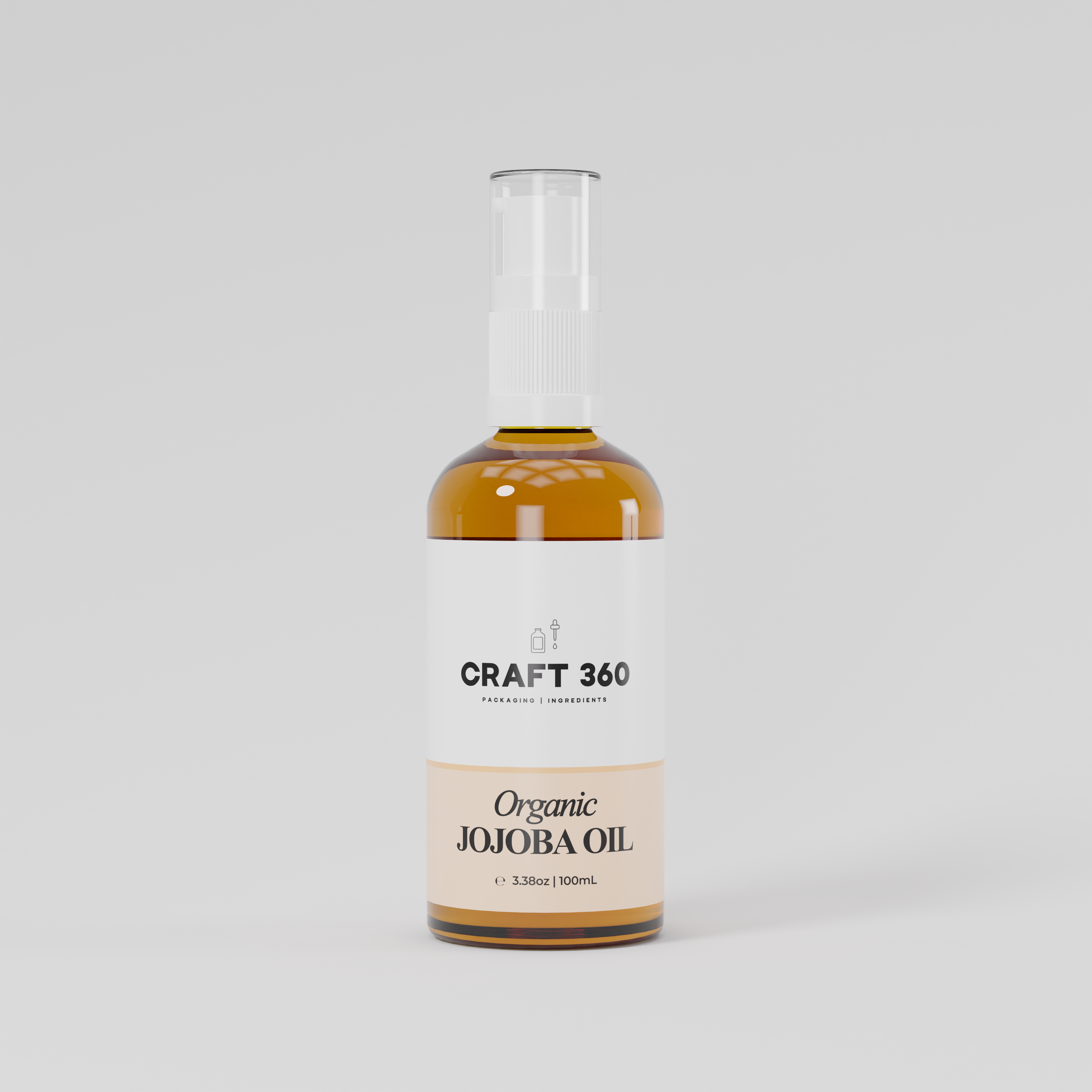
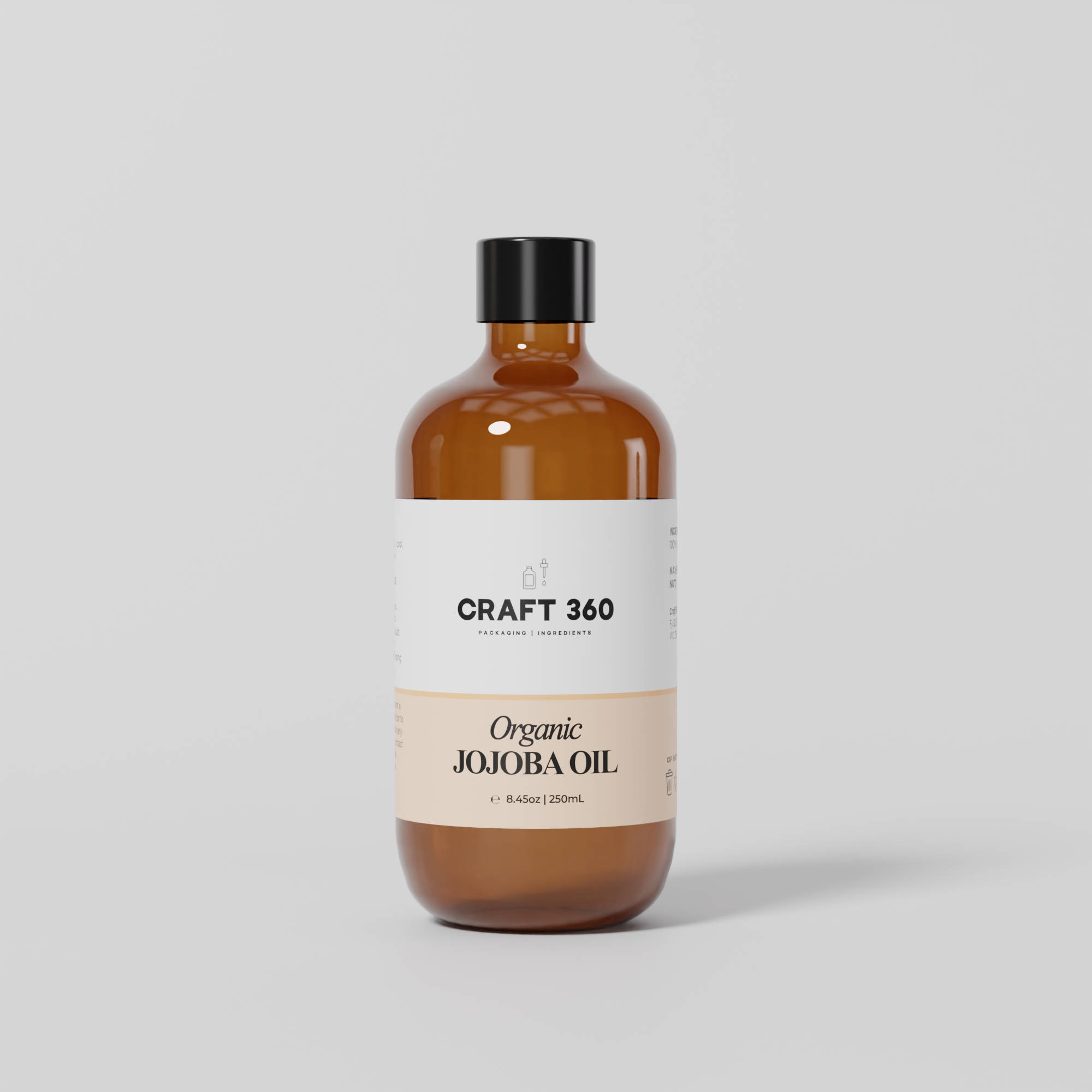
Made by infusing Organic Chamomile Flowers in jojoba oil. Jojoba is technically a liquid wax ester rather than a true oil, and its molecular structure is often referenced as functioning similarly to the skin's own sebum, making it one of the more skin-compatible ingredients commonly used in cosmetic formulations. The chamomile infusion adds the flower's gentle botanical qualities to the blend.
Organic Fractionated Coconut MCT Oil
Fractionated coconut MCT oil remains liquid at a wide range of temperatures, unlike regular coconut oil, which typically solidifies in cooler conditions, absorbs readily, and contributes a smooth, gliding application feel. In this formulation it helps balance the firmness of the beeswax and cocoa butter, working against a product that might otherwise feel overly stiff or waxy on the lips.
Vitamin E Oil
At 0.5%, vitamin E oil (as pure tocopherol) is included primarily to help slow oxidation of the oils and butters in the formulation, which may contribute to extended product shelf life. It is also commonly used for its conditioning properties on the skin. Use pure, undiluted tocopherol in amber-brown liquid form. Vitamin E capsules available from pharmacies typically contain additional carrier oils, fillers, and excipients and are not appropriate for use in cosmetic formulations.
Rose Flavour Oil (lip-safe)
At 0.6%, the rose flavour oil gives the finished lip balm its delicate rose scent and taste. Always confirm lip-safety with your flavour oil supplier before using any flavour or fragrance oil in a lip product, and always observe the supplier's recommended maximum usage rate. This step is non-negotiable for any product applied to the lips.
Substitutions, Tips, and Tricks
Substitutions
To make it vegan: Replace the beeswax with Candelilla Wax NF at approximately 12–13% , roughly half the beeswax quantity. Candelilla wax is significantly harder than beeswax, so a smaller amount is generally needed to achieve a comparable structural result. You may need to adjust carrier oil percentages slightly to fine-tune the final texture. Test your formula thoroughly before producing for sale.
To substitute cocoa butter: Swap the Cocoa Butter for another hard butter such as Kokum Butter or Mango Butter (hard fraction) at the same percentage. Hard butters are generally interchangeable at equal weights, though each brings its own melting point, texture, and scent profile, so expect minor differences in the finished balm and test before finalising. If you'd prefer to keep cocoa butter but lose the chocolate scent,
Organic Cocoa Butter — Deodorised is a straightforward like-for-like swap at the same percentage, letting the rose flavour oil take full centre stage.
To substitute shea butter: Any soft butter works well here like Mango Butter, Sal Butter, or Cupuaçu Butter are popular alternatives. Use at the same percentage as the shea butter in this formula. Keep in mind that different soft butters have slightly different melting points, unsaponifiable fractions, and skin feels, so the finished texture of your balm may vary. Always apply the same off-heat addition rule regardless of which soft butter you choose, adding it at approximately 55°C to 60°C to reduce the risk of graininess.
For a different scent: Swap the rose flavour oil for any other confirmed lip-safe flavour oil at the same percentage, always checking your supplier's recommended usage rate for lip products. Vanilla, mint, and berry are popular choices for lip balm.
Tips and Tricks
Avoid overheating shea butter. This is the single most critical technique step in this formulation. Shea butter introduced to a mixture above approximately 70°C, or re-heated after being added, is significantly more prone to graininess in the finished product. Add it off-heat at 55°C to 60°C and allow it to melt through residual warmth only.
Cool rapidly after filling. Slow or uneven cooling is a primary contributor to graininess in butter-based balms. Once your tubes or tins are filled, place them in the refrigerator promptly. Rapid, even cooling encourages fine crystal formation and a smoother finished texture throughout the balm.
Stir continuously if cooling in a water bath. If you are cooling the mixture before pouring into tins, place your bowl in a cold water bath and stir continuously until the mixture reaches a pourable trace. This helps distribute crystal formation evenly and reduces the likelihood of larger, gritty clusters forming.
Do not cap warm. Wait until the lip balm is completely set and has returned to room temperature before capping. Capping a warm product can trap heat and cause the inner portion to cool unevenly, which may result in sinkholes and graininess in the centre of the balm.
Fill tubes in one continuous pour. Stopping and starting while filling can create layered marks and uneven density in the finished tube. Aim for one smooth, continuous motion where possible.
Use thoroughly dried botanicals only. Moisture introduced into an oil infusion via undried botanicals can encourage microbial growth and may significantly shorten product shelf life. If in doubt, dry your botanicals in an oven at approximately 40°C for 30 minutes before beginning the infusion.
Test at the highest temperature the product will encounter. Leave a finished balm sample in conditions that mimic your warmest expected storage or use environment, such as a warm room or car, before finalising your formula. If it softens or loses shape, consider increasing your beeswax or cocoa butter percentage by 2–3% and retesting. Performance may vary depending on your specific ingredients and conditions.
Check your flavour oil usage rate. Lip balm is a leave-on product applied directly to the lips. Confirm lip-safety and the recommended maximum usage rate with your flavour or fragrance oil supplier before finalising your formula, and do not exceed the rate they specify.
Continue Reading
- Hard Butters, Soft Butters, and Everything In Between: Your Complete Formulation Guide
- Essential Oils vs Fragrance Oils vs Carrier Oils — What's the Difference?
- Create Your Own Botanical Body Butter: Two Warming Winter Blends
- How to Make a Winter Botanical Facial Oil
Shop All Craft 360 Butters | Shop All Craft 360 Carrier Oils | Shop All Craft 360 Botanicals | Shop All Craft 360 Waxes
References
- Formula Botanica. (2025). 15 tips on formulating with shea butter. https://formulabotanica.com/tips-formulating-shea-butter/
- AAK Personal Care. (2026). Grainy shea butter in cosmetics: Why it happens and how to prevent it. https://blog.aakpersonalcare.com/grainy-shea-butter-in-cosmetics-why-it-happens-and-how-to-prevent-it
- Winckel, A., Wölfle, U., Schempp, C. M., & Grönniger, E. (2022). Vegetable butters and oils as therapeutically and cosmetically active ingredients for dermal use: A review of clinical studies. Frontiers in Pharmacology, 13, 868461. https://doi.org/10.3389/fphar.2022.868461
- Lin, T. K., Zhong, L., & Santiago, J. L. (2018). Anti-inflammatory and skin barrier repair effects of topical application of some plant oils. International Journal of Molecular Sciences, 19(1), 70. https://pmc.ncbi.nlm.nih.gov/articles/PMC5796020/
- Formula Botanica. (2024). The formulator's guide to creating balms and butters in hot climates. https://formulabotanica.com/hot-climate-formulation/
Disclaimer: The information on this page is provided for general educational purposes only and is not intended as medical, veterinary, toxicological, cosmetic formulation, or regulatory advice. Nothing on this page should be interpreted as a substitute for advice from a qualified healthcare professional, cosmetic chemist, or regulatory specialist. If you have questions about personal health, ingredient use, or regulatory compliance, seek guidance from an appropriately qualified professional. Users are responsible for ensuring that any products they create, use, or sell comply with all applicable laws, regulations, and safety requirements in their jurisdiction. Craft 360 accepts no responsibility for the misuse of ingredients or for formulations developed based on the information provided.
FAQs
Why does my homemade lip balm turn out grainy?
Graininess in lip balm is most commonly caused by overheating shea butter or by slow, uneven cooling after filling. Shea butter should always be added off the heat at approximately 55°C to 60°C and allowed to melt through residual warmth only. Once your tubes or tins are filled, refrigerate immediately to promote even, fine crystal formation.
Can I make this lip balm vegan?
Yes. Replace the beeswax with Candelilla Wax NF at approximately 12–13%, roughly half the quantity of beeswax. Candelilla wax is harder than beeswax, so a smaller amount is needed to achieve a similar firm structure. You may need to adjust carrier oil percentages slightly depending on your desired final texture.
Why is shea butter added off the heat and not in the heated phase?
Overheating shea butter above approximately 70°C can disrupt its fatty acid crystal structure, which significantly increases the risk of graininess in the finished product. Adding it off the heat at around 55°C to 60°C and allowing it to melt through residual warmth preserves its texture and conditioning properties.
Can I use any fragrance or flavour oil in a lip balm?
No. Lip balm is a leave-on product applied directly to the lips. Only fragrance or flavour oils that have been specifically confirmed as lip-safe by your supplier should be used. Always check your supplier's documentation and respect the maximum usage rate recommended for lip products.
What is the INCI name for beeswax on a cosmetic label?
The INCI name for beeswax is Cera Alba (white beeswax) or Cera Flava (yellow beeswax). Under Australian cosmetic labelling requirements, ingredients must be listed by their INCI names in descending order of concentration. Refer to the TGA cosmetic labelling guidelines for full requirements.
What claims can I make about this lip balm if I sell it in Australia?
Under Australian TGA guidelines, lip balms are regulated as cosmetic products. You may use cosmetic claims such as "conditions and softens dry lips," "leaves lips feeling nourished and comfortable," or "a nourishing botanical lip balm." Avoid therapeutic-sounding language such as "heals," "treats," "repairs," or "regenerates," as these may classify your product as a therapeutic good. Always refer to the TGA cosmetic labelling guidelines and ACCC product safety requirements.
How long does homemade lip balm last?
Shelf life depends on the freshness and quality of your ingredients, storage conditions, and your antioxidant system. This formulation includes Vitamin E (tocopherol) at 0.5% that helps in increasing the shelf life. As a general guide, store finished lip balms in a cool, dark location and use within 12 months. Always check the use-by dates of your individual ingredients and refer to your supplier's guidance.
Why must I use dried herbs, not fresh botanicals for infused oils?
Any moisture in botanicals introduced into an oil infusion creates conditions that can encourage microbial growth and significantly shorten shelf life. Always use thoroughly dried botanicals for oil infusions. If in doubt, dry your botanicals in an oven at approximately 40°C for 30 minutes before infusing.