FAQS
What Can You Make with Essential Oils?
Essential oils are one of the most versatile ingredients in any maker's toolkit. Here's how Australian DIYers and small brands are using them:
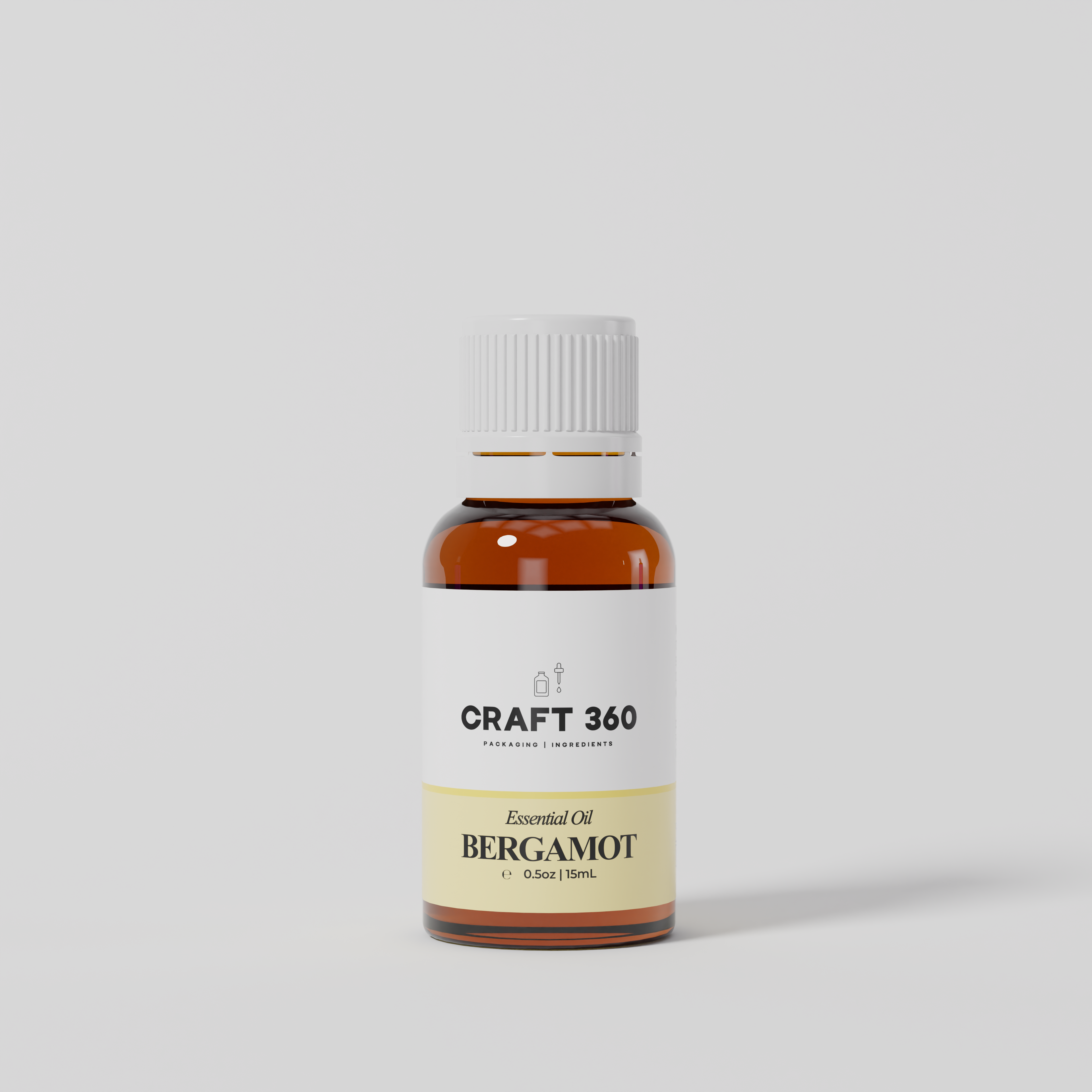
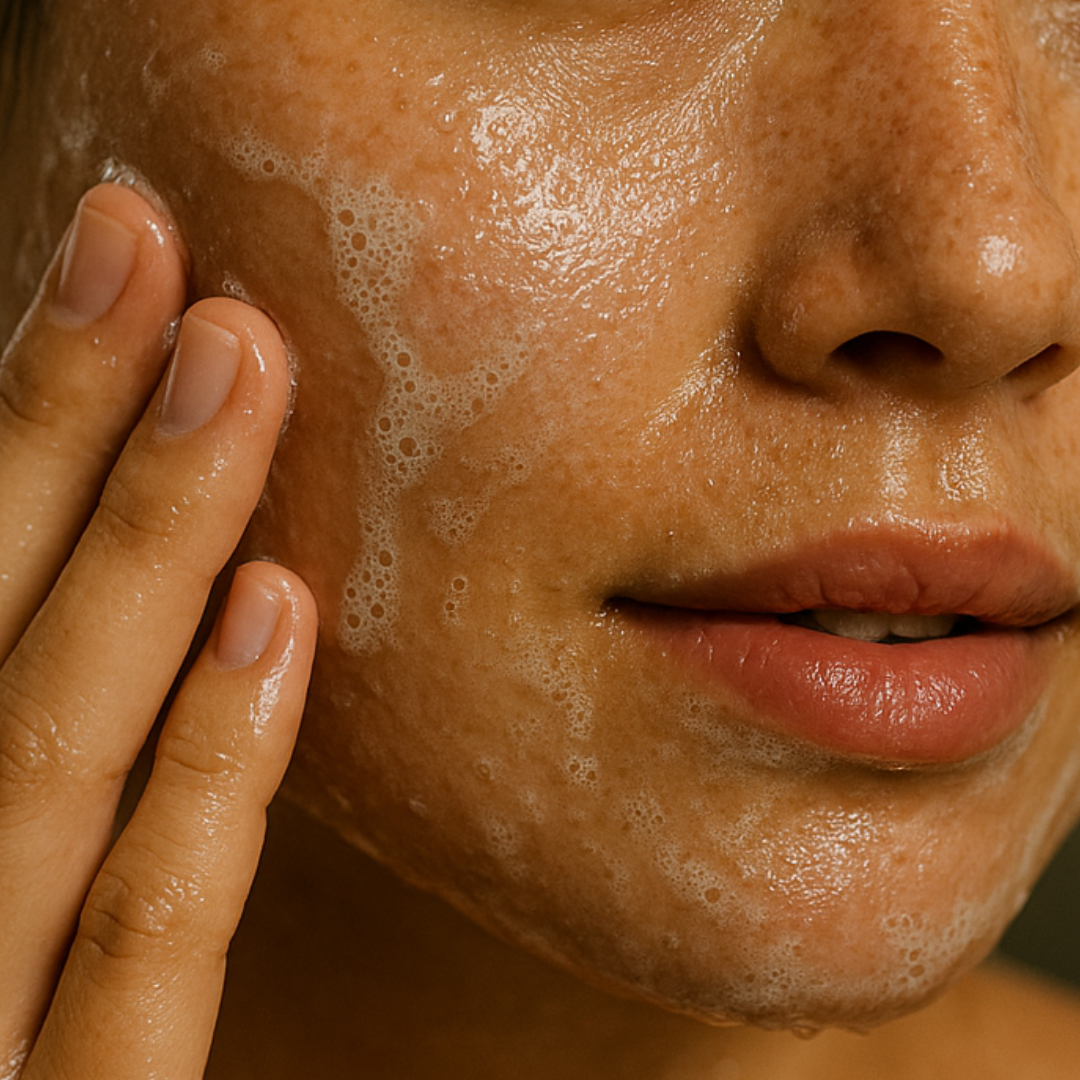
Skincare & Face Care Add depth, fragrance and skin-supporting properties to serums, facial oils, toners and creams. Always dilute in a carrier oil or base before skin contact. Popular choices for skincare include frankincense, geranium, rose geranium and bergamot (bergaptene-free for leave-on products).
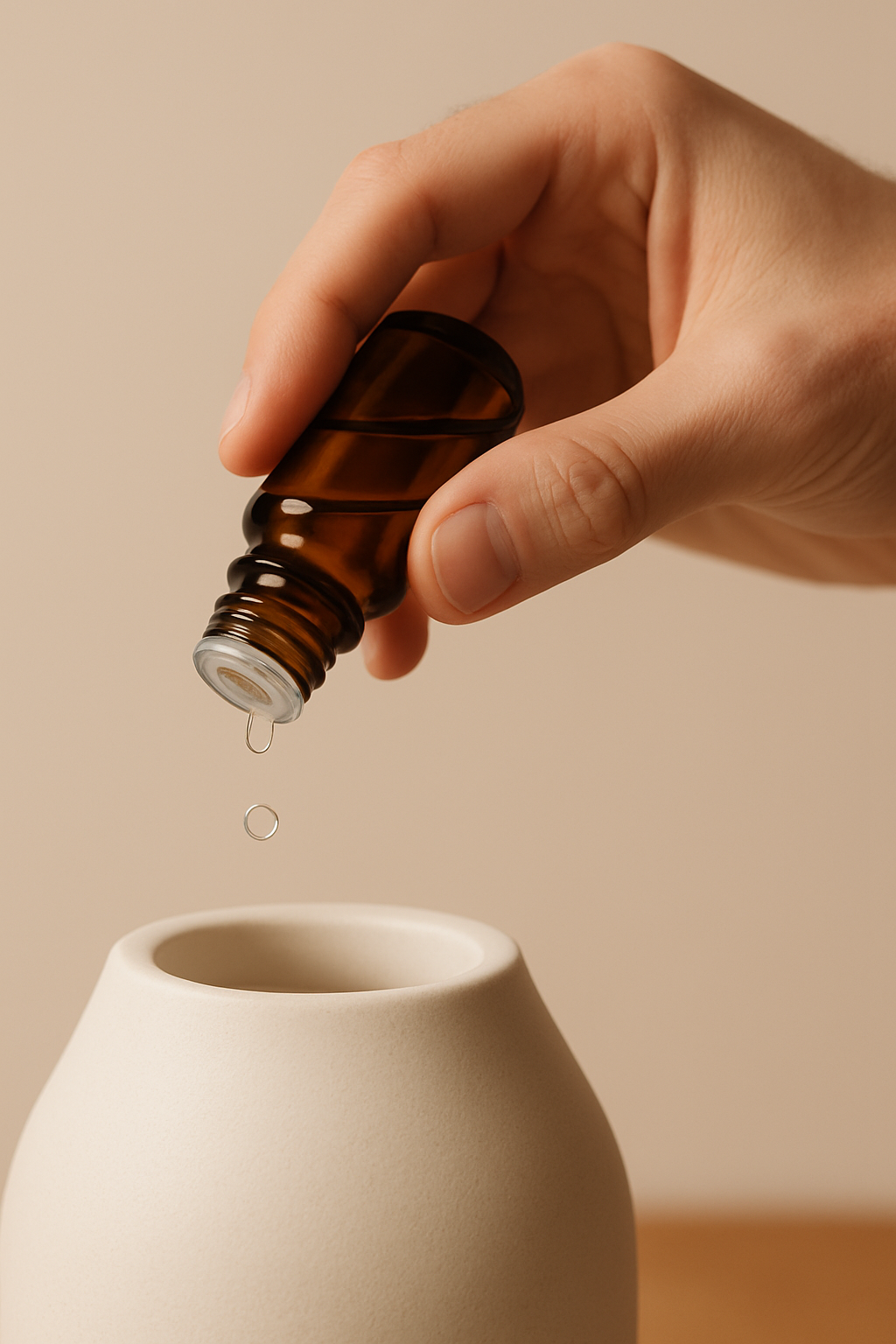
Aromatherapy & Diffuser Blends Our essential oils for aromatherapy and diffuser use are 100% pure, free from the synthetic extenders that dull performance and scent throw. Explore our aromatherapy kits or build your own blends from scratch.
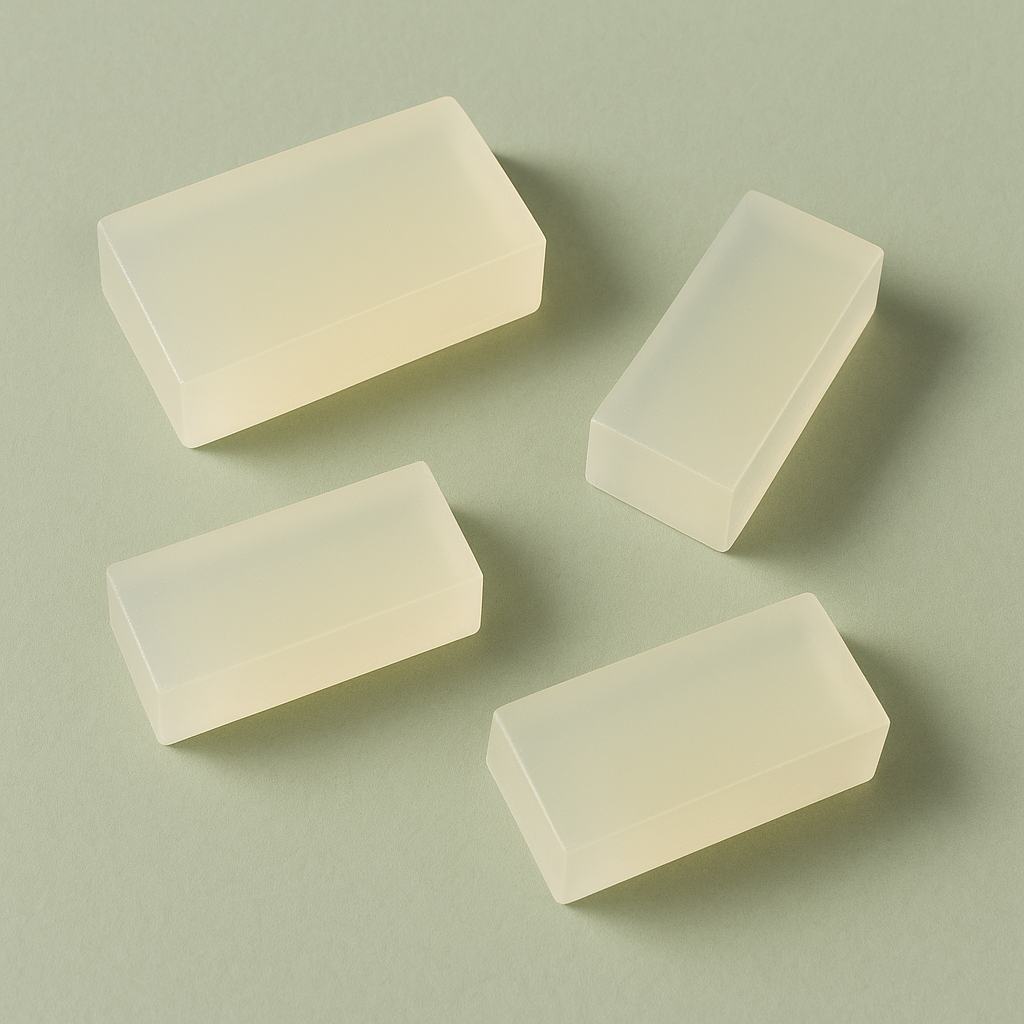
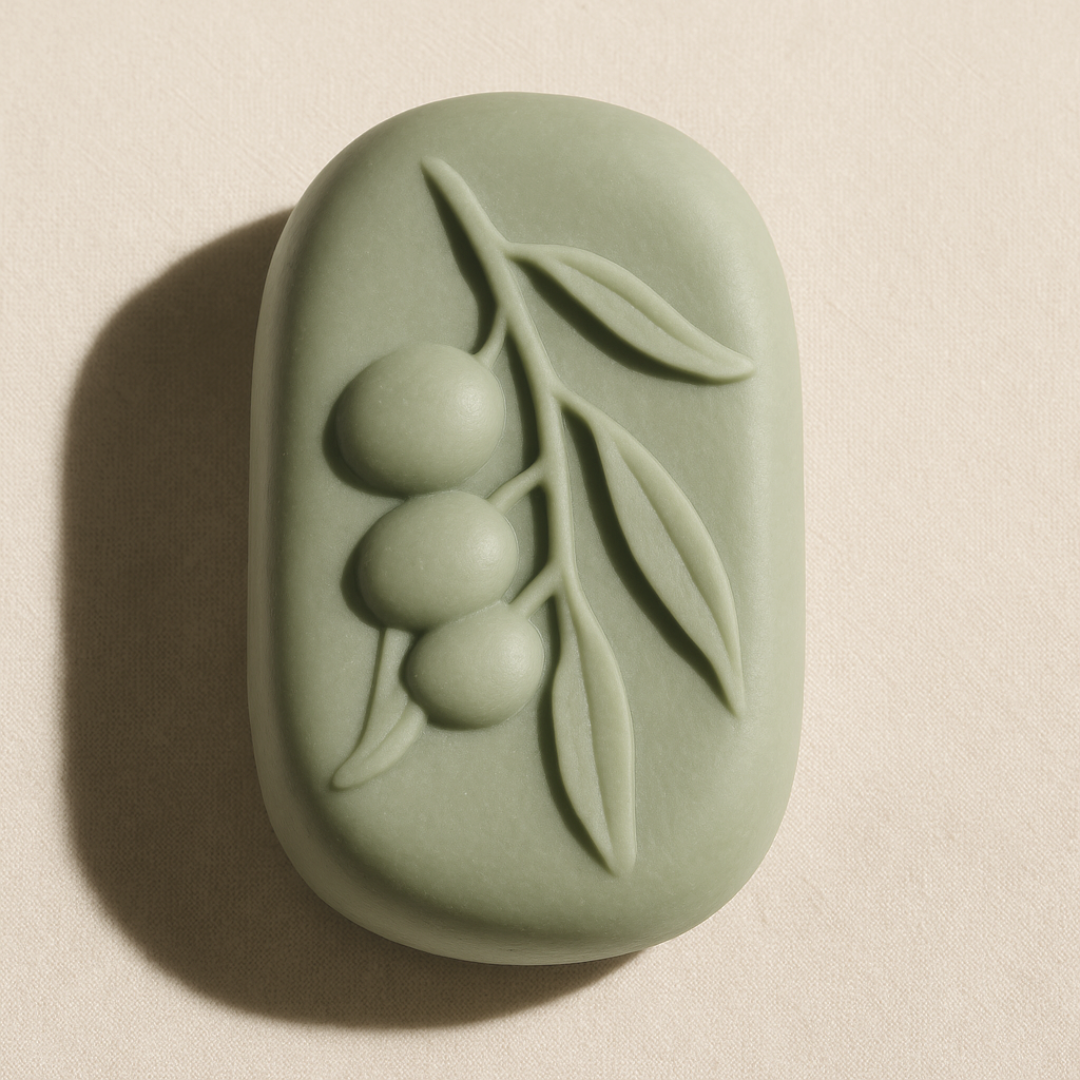
Soap Making Essential oils are a natural fit for cold-process and melt-and-pour soap making. Some,Β like lavender, tea tree and rosemary cineole, hold beautifully through saponification. Citrus top notes may fade, so check usage rates per oil. New to soap? Start with our soap making kits.
Candle Making Working with soy, beeswax or paraffin? Pure essential oils for candle making give your products a clean, natural scent story. Heavier base notes like cedarwood and patchouli tend to perform best. Lighter top notes may need to be layered with a heart note to carry through burn.
Hair & Scalp Care Rosemary cineole has become one of the most searched essential oils in Australia for hair care formulations. It works well blended into scalp serums, hair oils and rinse-off treatments. Always dilute in a carrier oil before scalp application.
Bath & Body From bath salts to body scrubs and balms, essential oils add sensory appeal and scent complexity to wash-off and leave-on formulations alike. Explore our bath salt kits and body butter kits to get started.
What are 100% pure essential oils and how are they different from fragrance oils?
100% pure essential oils are extracted directly from plants, from flowers, leaves, bark, roots or peel, through steam distillation or cold pressing. They carry the plant's natural aroma and beneficial plant compounds, with no added synthetics, dilutions or fillers.
Fragrance oils, by contrast, are artificially engineered in a lab to replicate a scent. They may contain synthetic chemicals, phthalates or petroleum derivatives and are not suited to natural skincare or aromatherapy formulations.
Are your essential oils suitable for use on skin? How do I use them?
Our essential oils are cosmetic-grade and suitable for skin use when applied correctly β however, not all essential oils are appropriate for use on skin. Suitability and dilution requirements vary depending on the specific oil, and some oils carry restrictions or are not recommended for dermal use at all. We recommend checking the IFRA guidelines and your oil's safety data before incorporating any essential oil into a skin-contact formulation.
Β The key rule is simple: essential oils must always be diluted before touching skin. Because they are highly concentrated plant extracts, applying them undiluted may cause irritation or sensitisation, even with gentler oils.Β
How to use them:
- Dilute in a carrier oil (such as jojoba, sweet almond, avocado or sunflower oil) before applying to skin.
- In skincare formulations, add essential oils in the cool-down phase when your formula has dropped to around 40Β°C,Β to help preserve their volatile compounds and fragrance.
- Essential oils are oil-soluble, not water-soluble. They should not be added directly to water-based products without a solubiliser.
For a detailed guide on dilution rates and dermal limits, read our full article: Essential Oil Safety & Dermal Limits β A Guide for Skincare Formulators β
Skin reactions can also vary from person to person, so a patch test is always recommended before use.Β
When do I need a solubiliser with essential oils?
Essential oils are oil-soluble β they mix beautifully with other oils and butters, but they don't dissolve in water. If you add an essential oil directly to a water-based product (like a toner, room spray, facial mist or shampoo) without a solubiliser, the oil will simply float on top or separate out rather than blending evenly.
A solubiliser acts as the bridge between the two. It allows your essential oil to disperse evenly throughout a water-based formula, giving you a clear, stable, well-blended product.
You'll need a solubiliser when working with:
- Toners and facial mists
- Room and linen sprays
- Shampoos and hair rinses
- Bath oils designed to disperse in water
- Any water-based product you want to add fragrance or essential oils to
You don't need a solubiliser when working with anhydrous (oil-only) formulationsΒ like balms, body butters, facial oils or serumsΒ because there's no water phase for the oils to conflict with.
π Want to know which solubiliser to use and how much? Read our full guide: How to Solubilise Essential Oils in Water β
Which essential oils are best for DIY skincare in Australia?
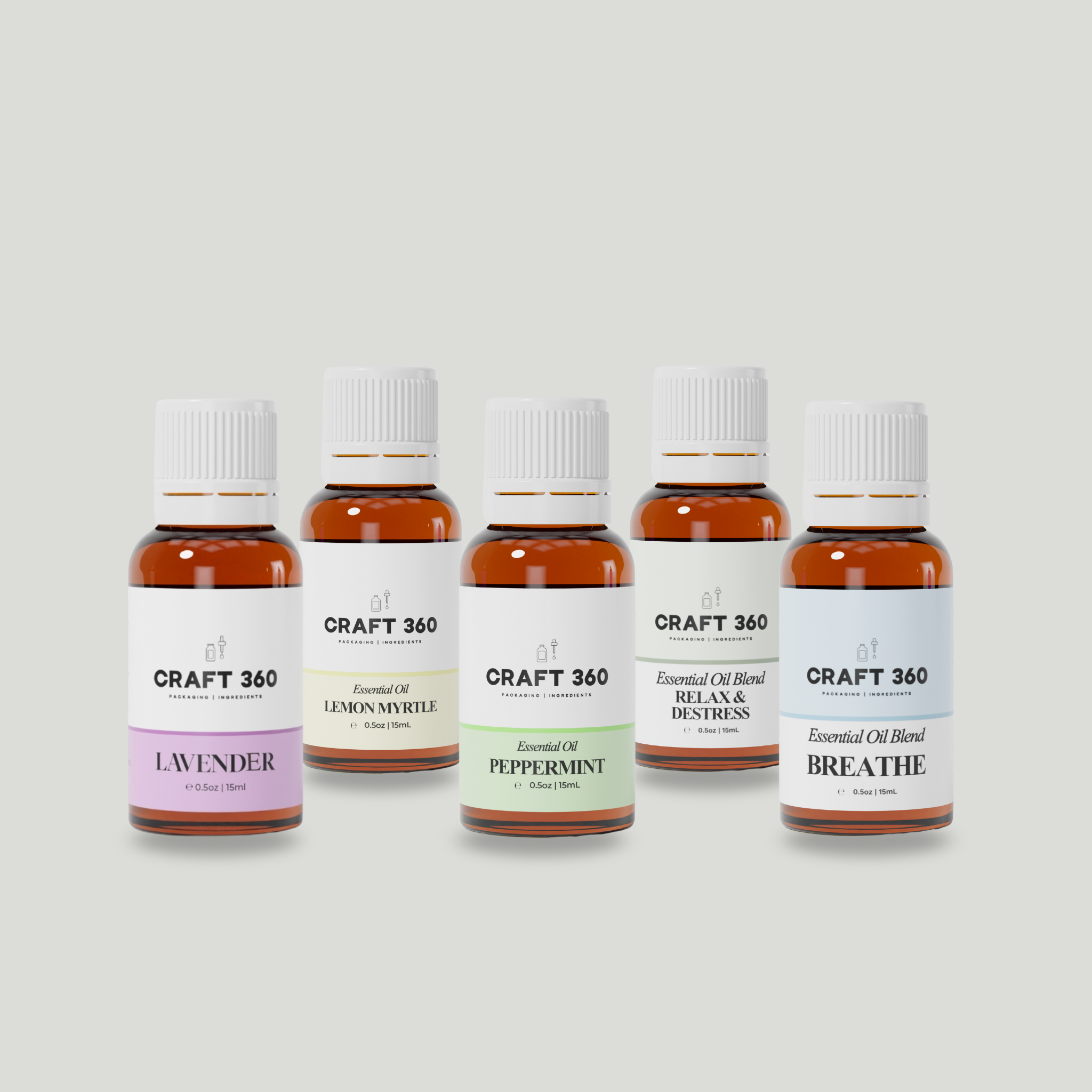
The best essential oil for your DIY skincare depends on your skin type and the result you're after. Here are the most popular choices among Australian makers:
- Lavender: Calming and soothing; suits all skin types, great for sleep and stress blends
- Tea Tree: Clarifying; well-suited to blemish-prone skin
- Frankincense: Widely used in facial serums; popular in mature skin and skin-conditioning formulations
- Rosemary Cineole: Stimulating; best known for scalp and hair care blends
- Geranium: Balancing, floral; excellent for combination and normal skin
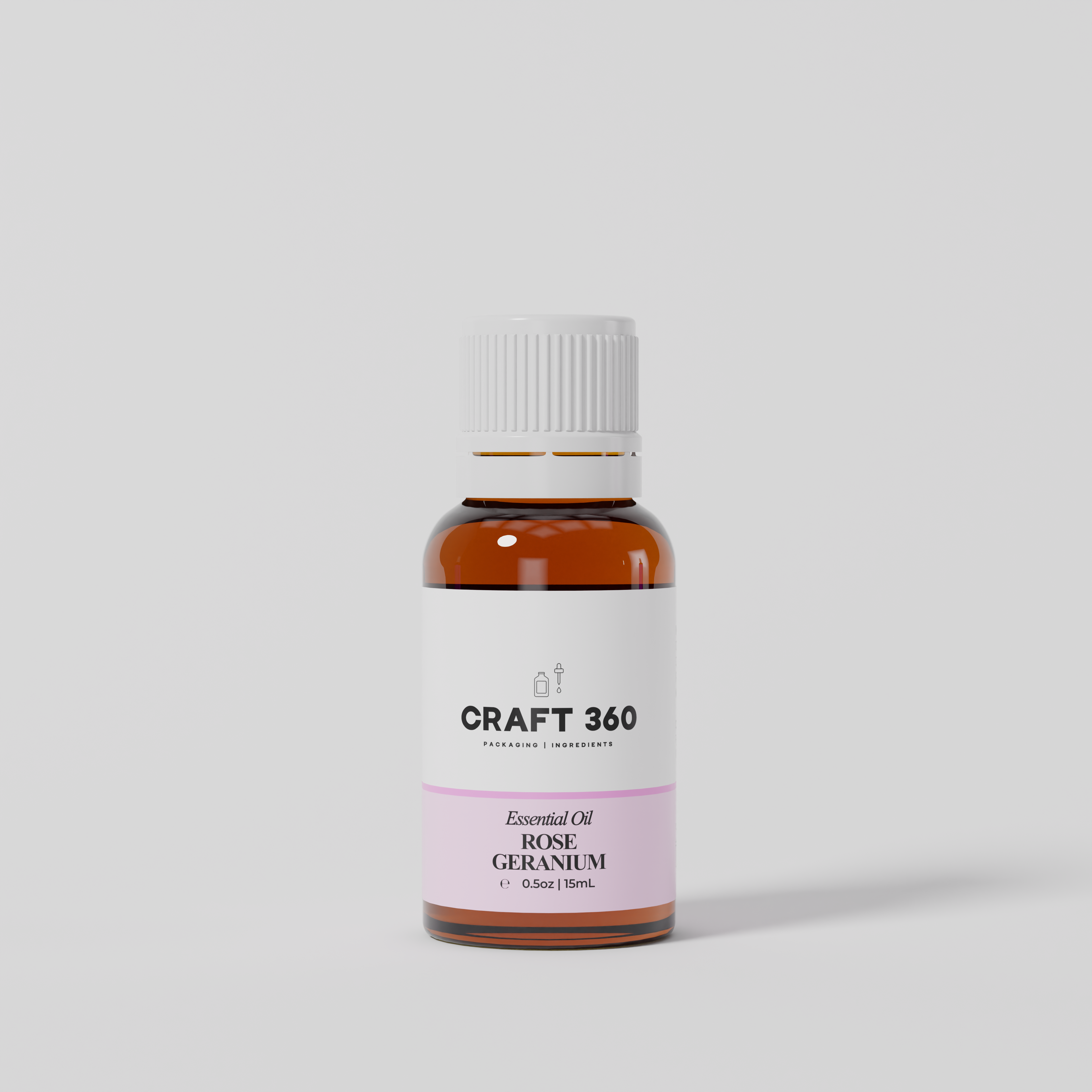
- Rose Geranium: Gentle, rose-like; well-suited to sensitive and dry skin types
- Bergamot: Brightening and uplifting in aromatherapy blends; works well for oily and blemish-prone skin (use bergaptene-free for leave-on products)
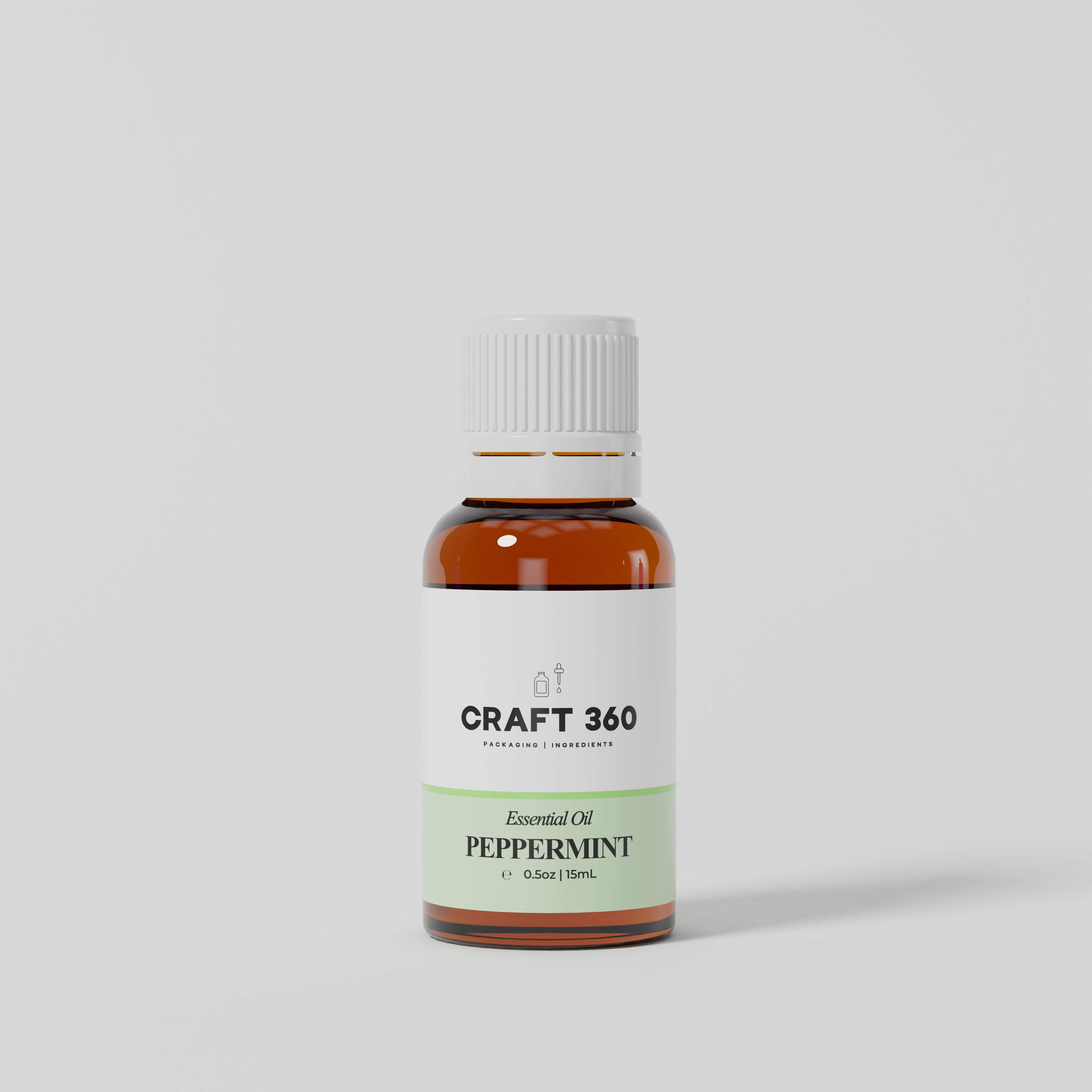
- Peppermint: Cooling and invigorating; great for foot care, cooling body blends and hair rinses
The best approach is to match the oil's properties to your skin concern and always start with the lowest recommended usage rate. Browse our full essential oils range β
Can I use essential oils for soap making and candle making?
Yes, many of our essential oils are ideal for soap and candle making, though the rules are a little different from skincare. For cold-process and melt-and-pour soap, check each oil's recommended usage rate, some lighter top notes like citrus may fade during the saponification process. Popular picks include lavender, peppermint and tea tree.
New to soap making? Explore our soap making kits to get started with everything you need in one box.
Do you offer bulk or wholesale essential oils for small businesses in Australia?
Yes. Craft 360 offers bulk and wholesale-friendly pricing on essential oils for Australian small businesses, whether you're a soap maker, aromatherapist, skincare brand or candle maker. We stock flexible pack sizes so you can test a new oil in small quantities before committing to larger volumes, without being locked into unrealistic minimums.
Every order ships fast and tracked Australia-wide. For bulk or pallet pricing, request a wholesale quote here β
How do I store essential oils to keep them fresh?
Store your essential oils in a cool, dark place, away from direct sunlight, heat and humidity. Keep lids tightly closed at all times sinc oxygen and light are the two biggest factors that degrade oils over time. Most essential oils keep well for 1β3 years when stored correctly. Citrus oils generally have a shorter shelf life of around 6β12 months. Refrigerating them may help extend freshness.
What are essential oil notes: top, middle and base?
Essential oil notes refer to how a scent unfolds and evolves over time. There are three layers:
- Top notes are the first impression. They areΒ light, bright and fast-evaporating scents like citrus (sweet orange, bergamot) and herbs like peppermint. They typically last 10β30 minutes.
- Middle (or heart) notes form the core of the blend, think lavender, geranium and rosemary. They tend to last 1β3 hours.
- Base notes are deep, rich and slow to evaporate
- Β like frankincense, cedarwood and patchouli. They anchor the blend and can linger for hours or longer.
Understanding these three note categories helps you create balanced, long-lasting blends for skincare, soap and aromatherapy. Read our complete Essential Oil Notes guide β
Why does my essential oil blend smell different after a few hours?
This is completely normal and is caused by the evaporation of top notes. Top note oils like citrus and peppermint have small, light molecules that evaporate quickly, usually within 10β30 minutes, revealing the deeper middle and base notes underneath.
A well-constructed blend should smell pleasant at every stage of evaporation. If your blend smells flat after the top notes fade, it usually means you need a stronger middle note to carry it through. Read our Essential Oil Notes guide β
Can I use essential oils in lip balms?
We generally don't recommend using essential oils in lip balms. The lip area is highly sensitive, and we frequently come into contact with/and ingest, whatever we apply there. Most essential oils are not intended for internal use and may cause irritation on such delicate skin.
For lip balm formulations, we recommend using cosmetic-grade flavour oils or lip-approved additives instead. Browse our lip & body balm kits for everything you need to get started.
What is the difference between an essential oil and a carrier oil?
Essential oils are highly concentrated, volatile plant extracts, they evaporate quickly, smell strong and must always be diluted before touching skin. Carrier oils are fixed, plant-based oils pressed from seeds, kernels and nuts. They don't evaporate, are rich in skin-nourishing properties and are suitable to apply directly to skin.
Think of it this way: the carrier oil is your base and your skin nourishment; the essential oil is your active and your fragrance. Ready to build your formulation? Explore our aromatherapy kits.
Q. Why Craft 360 for Pure Essential Oils?
We're a family-run Australian supplier built specifically for makers β not a generic health food store or a fragrance wholesaler. Every oil we stock is chosen with formulation in mind.
- 100% pure, undiluted essential oils β what's on the label is what's in the bottle
- Organic essential oils available across key varieties, ACO certified
- Flexible sizing β test in small quantities before scaling up
- Wholesale and bulk pricing for small businesses, without unrealistic minimums
- Fast, tracked shipping across Australia on every order
- Pre-blended essential oil blends for makers who want a head start
β οΈ The information on this page is provided for general educational purposes only and is not intended as medical, cosmetic formulation, or regulatory advice. Always check supplier documentation and consult applicable regulations.