Always patch test before use: apply a small amount to the inner wrist or elbow, wait 24 hours.
If you are pregnant, breastfeeding, or have health conditions, seek medical advice before use.
Avoid contact with eyes and children.
Store finished oil in a cool, dark place away from sunlight.
Shelf life: 6–12 months when stored properly.
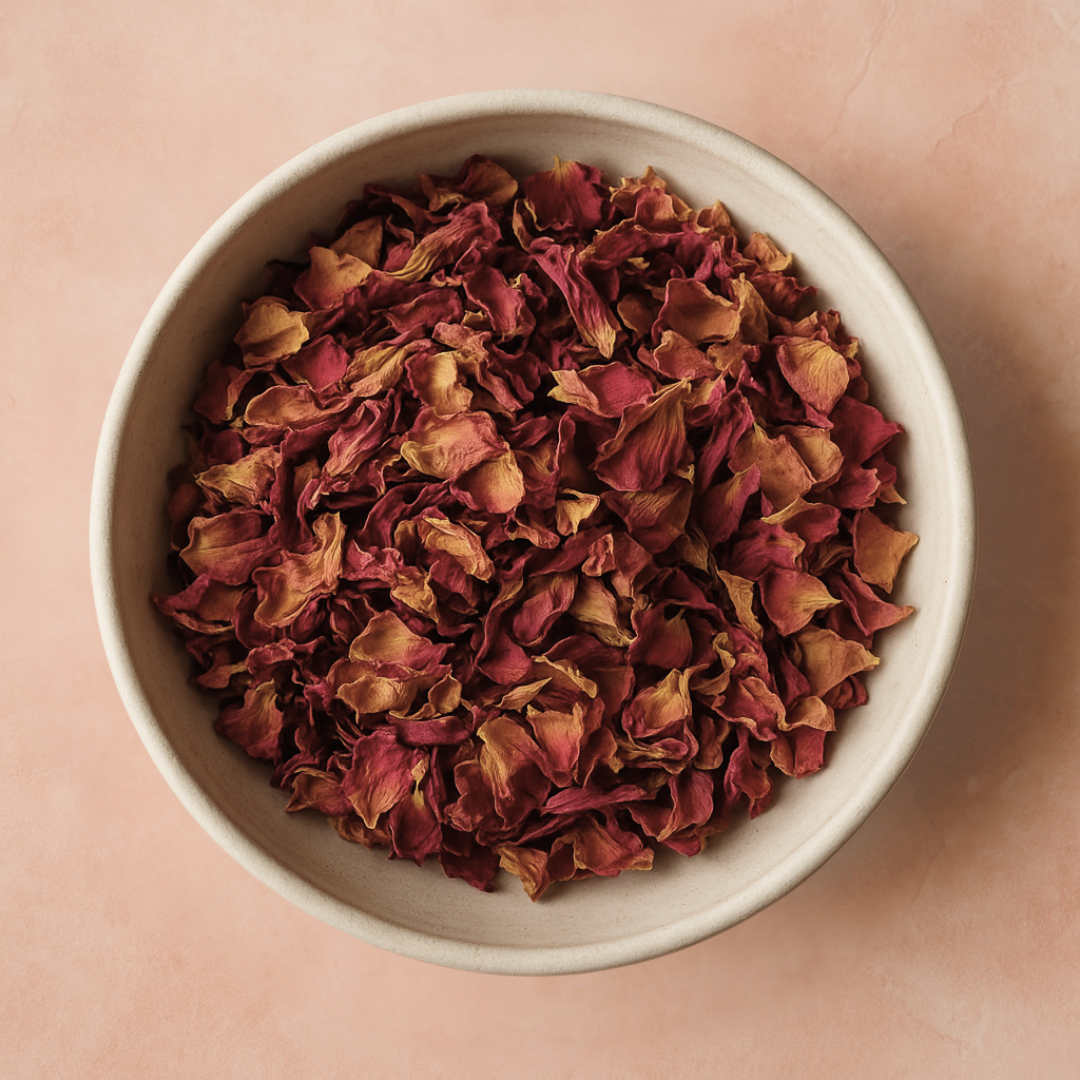
Use only dried petals — fresh petals contain water and may spoil the oil.
🌿 How it Works + Tips
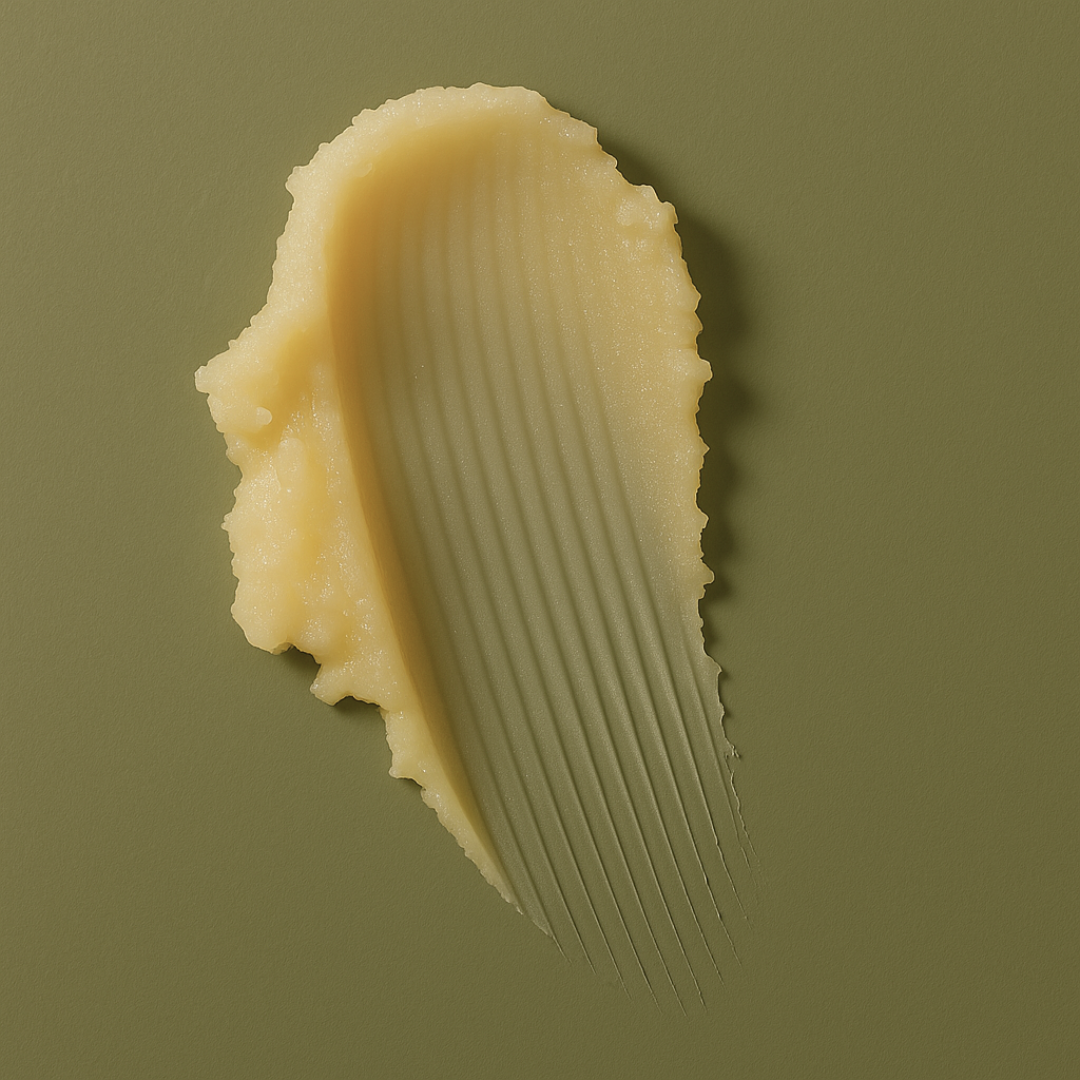
This kit guides you through creating a gentle, golden conditioning oil infused with calendula petals. Over 3 weeks, sweet almond oil slowly absorbs calendula’s nourishing compounds, producing a silky, versatile oil suitable for all skin types.
Calendula: Golden petals known for centuries for their nurturing, skin-conditioning properties.
Sweet Almond Oil: Lightweight and silky, rich in vitamin E and fatty acids. Absorbs beautifully without greasiness.
Vitamin E: Your natural antioxidant, helping extend the freshness and stability of your infusion.
💡 Tip: Label your jar with dates and ingredients so you can track each batch with confidence.
🧺 What’s in your kit (ingredients)
Calendula Petals — 25 g (Included)
Sweet Almond Oil — 100 ml (Included)
Vitamin E Oil — 30 ml (Included)
Glass Infusion Jar — 170 ml (Included)
Muslin Cloth — (Included)
Funnel — (Included)
Labels — (Optional)
🏡 BYO (you provide)
Small bowl & spoon
Alcohol wipes / isopropyl alcohol
Clean workspace
✨ Recipe
For 100 ml Golden Oil
10 g Calendula Petals
100 ml Sweet Almond Oil
1 g Vitamin E Oil
🧂 Method
1. Clean & Sterilise
Wipe jar, funnel, and spoon with alcohol. Let dry.
2. Combine Botanicals & Oil
Add calendula to your infusion jar.
Pour oil over until petals are submerged.
Gently stir to remove air pockets.
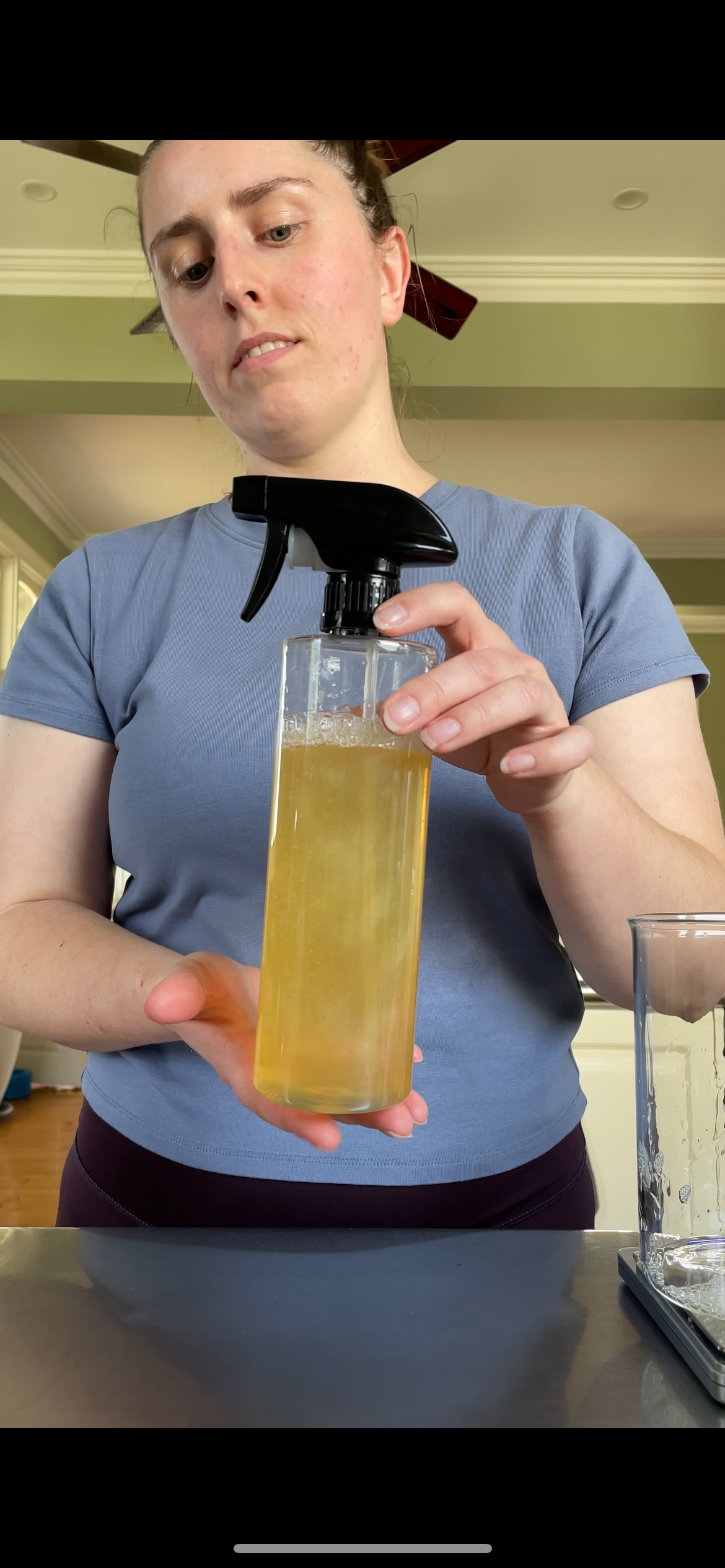
Keep your empty pump bottle aside (place the lid back on the bottle) — this is where you’ll store your finished infusion later.
⚠️ Important: Do not wash this bottle. Introducing water into the bottle or pump mechanism can lead to bacterial growth. Simply place the lid / pump back on.
3. Infuse Label, Store
Label the Jar with the Infusion Date, Herb & Oil used. Then seal the jar and store in a cool, dark place. Like a cupboard (with no sunlight).
Gently swirl every 3-4 days.
Infuse for 3 weeks.
4. Strain
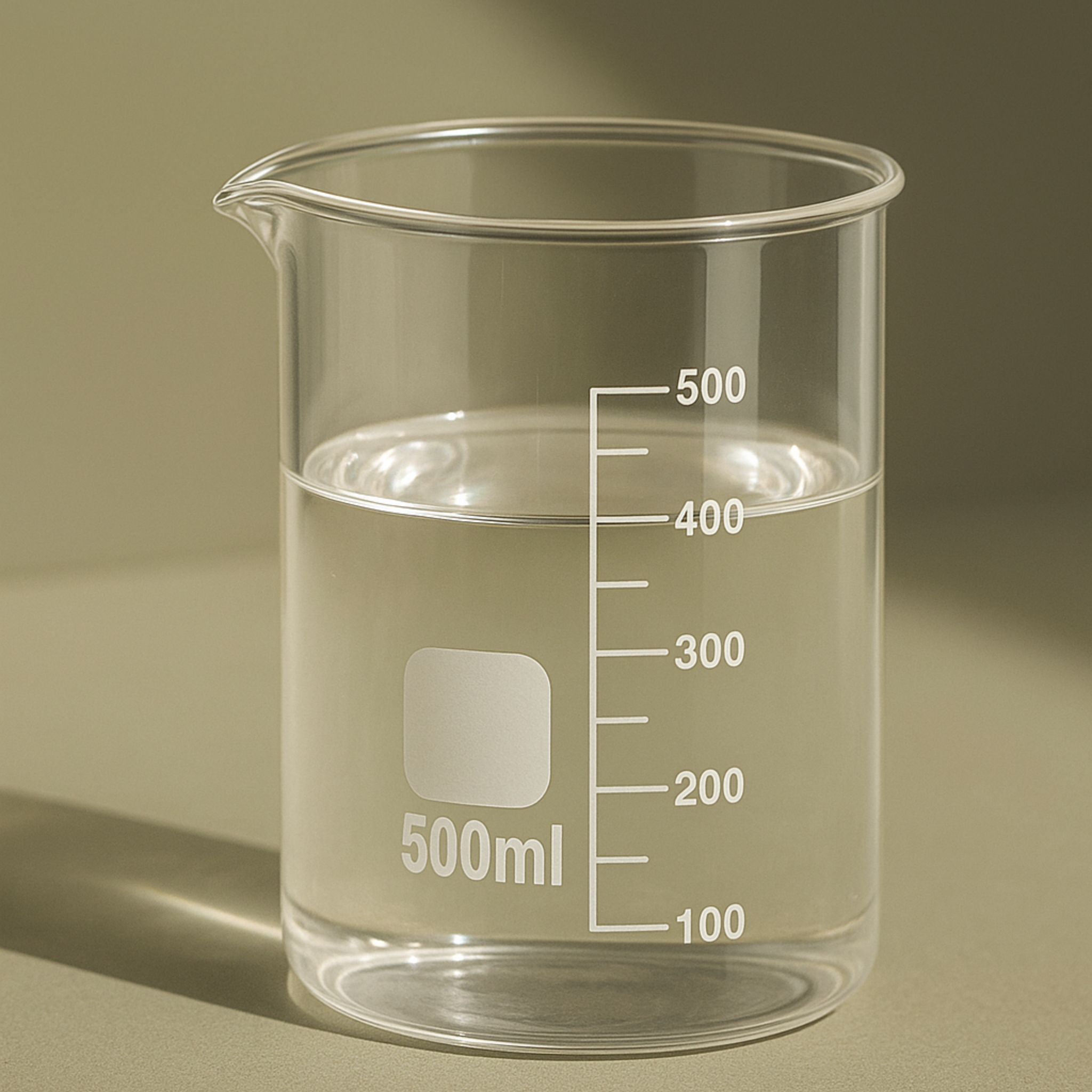
Clean and sterilise a pouring beaker.
Place the muslin cloth over the top of the beaker (or secure with a band).
Slowly pour the infused oil through the cloth to catch petals and particles.
Gather the petals inside the cloth and gently squeeze to extract the remaining oil.
5. Preserve & Bottle
Add vitamin E oil and stir gently.
Transfer to the original bottle that your oil came in, seal with your pump.
⚠️ Important:You should not have washed this bottle. Introducing water into the bottle or pump mechanism can lead to bacterial growth. Simply place the lid / pump back on.
Handwrite on the original label the: Herb Name and Extraction Date.
✨ Usage
Daily moisturiser: Apply to face or body, absorbs beautifully.
Massage oil: Silky and lightweight, perfect for relaxation.
Makeup remover: Gently dissolves makeup while conditioning skin.
DIY base: Use in balms, creams, or other skincare creations.
💡 Tips & Troubleshooting
Cloudy oil? Strain again or allow longer settling.
Light golden colour? This is normal — calendula produces a subtle golden hue, not bright orange.
Skin sensitivity? Discontinue use if irritation occurs.
This is Part Three of our Three Part series on Essential Oils.
Part One: Essential Oil Notes: A Complete Guide for Skincare and Soapmaking
Part Two: Essential Oil Safety and Dermal Limits: A Guide for Skincare Formulators
Disclaimer:The information on this page is provided for general education only and is not intended as medical, toxicological, or regulatory advice. Users are responsible for ensuring their own formulations comply with applicable laws and safety requirements. Individual reactions may vary. Always consult reliable technical documentation and conduct appropriate safety testing before use.
Essential oils are concentrated botanical extracts that offer powerful benefits in skincare formulations. However, their potency requires careful use. Understanding essential oil safety, sensitisers, and dermal limits is vital for both new and experienced skincare formulators especially when creating products for regulated markets like Australia.
Flash Points of Essential Oils
You’ve learned how essential oil notes influence scent evolution and how thoughtful blending helps fragrances linger longer. But there’s another crucial factor many makers overlook the one that can make or break your aroma retention: flash points.
If you’ve poured your heart into creating a blend only to find that the scent fades or vanishes by the time your product sets, too much heat could be the culprit.
What Is a Flash Point?
The flash point of an essential oil is the lowest temperature at which it produces enough vapour to ignite if exposed to a spark or open flame. In small-scale formulation, flash points are less about flammability and more about temperature sensitivity.
Essential oils are made of volatile aromatic compounds. These delicate molecules start to evaporate when oils are exposed to high heat. If your formulation temperature exceeds the flash point of your blend, you may lose your top notes and dull the entire aroma profile.
Think of a flash point as your fragrance protection line: cross it, and your scent begins to vanish.
Why Flash Points Matter
Flash points are central to scent preservation and consistency across batches. Here’s why:
Preserves Aroma Profile – Keeps top notes (like citrus and mint) intact by preventing premature evaporation.
Maintains Blend Balance – Protects lighter molecules, ensuring you still smell all parts of your blend.
Improves Scent Longevity – Slows down evaporation, so aromas remain vibrant longer.
Consistency in Production – Ensures that every batch smells the same once cured or set.
Understanding flash points helps control not just safety but quality, the difference between a dull product and one that smells incredible every time.
When to Add Essential Oils in Formulation
Add During Cool‑Down Phase: Always incorporate essential oils once your batch has cooled to below the lowest flash point in your blend.
For Balms & Butters: Add at ≤ 40 – 45 °C after melting waxes and butters.
For Lotions & Creams: Introduce oils after emulsification and before adding preservatives.
For Cold‑Process Soap: Choose heat‑resistant oils or increase base‑note percentages to survive the heat of saponification.
For Melt‑and‑Pour Soap: Add fragrance below 55 °C to minimise loss of volatiles.
Shop Essential Oils
Blending With Flash Points in Mind
Balancing flash points within a blend is like tuning a fragrance.
Pair Delicate Oils with Durable Bases: Combine low‑flash‑point citrus oils with grounding notes such as patchouli, vetiver, or sandalwood to lock them in.
Use Distilled or Folded Versions: “Folded” citrus oils (like 5× orange or 10× lemon) are more heat‑tolerant because some volatile molecules are removed.
Test in Small Batches: Always make a miniature trial to check scent retention after 24 hours and again after curing.
Example: Heat‑Friendly Body Butter
Top Note – Bergamot FCF (~60 °C) 30 %
Middle Note – Geranium (~88 °C) 50 %
Base Note – Patchouli (~100 °C) 20 %
Process tip: Melt butters, cool to ≈ 45 °C, stir in oils, mix well, then jar immediately for best aroma retention.
Flash Points in Soap and Candle Making
For Soapmakers
Cold‑process soap can reach 80–95 °C during saponification. At this temperature, most top notes (like lemon or grapefruit) vanish quickly.
Choose mid‑ and base‑note oils (lavender, patchouli, cedarwood).
Anchor top notes using fixatives or clay powders.
Add essential oils at trace to minimise heat loss.
For Candle Makers
Although flash point relates to safety classification under shipping, it doesn’t mean oils combust at these temps in wax. However, exceeding the flash point while mixing fragrances can cause aroma distortion. Always blend below the lowest flash point for truer cold and hot throw.
Safety Considerations
While flash points help prevent aroma loss, they also serve as important fire‑safety guidelines:
Avoid heating essential oils above their flash point directly.
Never melt waxes or butters over open flame after essential oils are added.
Store oils in tightly sealed dark bottles away from heat and direct sunlight.
Always label formulations with the flash point of each essential oil for compliance and safety documentation.
Practical Formulation Tips
Track Blend Data: Record flash points of each oil in your product spreadsheet alongside dermal limits and allergen content.
Use Temperature‑Safe Carriers: Butters and fixed oils with higher melting points (e.g. shea, cocoa) can help stabilise volatile essential oils.
Optimise Cool‑Down Timing: For emulsions or butters, adding just a few degrees too early can change a fragrance dramatically.
Cool Stirring: Use glass rods or silicone spatulas to avoid excess friction and localised heat when mixing oils.
Flash points may sound technical, but they’re a simple, powerful tool for protecting your aromatic creations.
By pairing your knowledge of notes with flash‑point awareness, you’ll preserve complex scent layers keeping your products vibrant, balanced, and professional in quality.
Experiment with your blends: add essential oils at different temperatures, note the differences in scent strength and longevity, and refine your timing.
Your future soaps, balms, and creams will reward you with aromas that stay truer and last longer.
Shop Essential Oils
Typical Flash Points of Common Essential Oils
Here are estimated flash points drawn from industry data and aromatherapy references. Values vary slightly between suppliers, oil origins, and purity levels, so always confirm your supplier’s SDS (Safety Data Sheet).
Essential Oil
Botanical Name
Flash Point
African Bluegrass
Cymbopogon validus
71 °C
Agarwood
Cymbopogon giganteus
93 °C
Ahibero
Cymbopogon giganteus
65 °C
Almond (bitter “free from prussic acid”)
Prunus dulcis
221 °C
Almond (bitter “unrectified”)
Prunus dulcis
Not Available
Ambrette (hibiscus)
Abelmoschus moschatus
82–93 °C
Amyris (West Indian sandalwood)
Amyris balsamifera
>100 °C
Angelica Root
Angelica archangelica
58–93 °C
Anise (Star)
Illicium verum
90–93 °C
Aniseed
Pimpinella anisum
90–94 °C
Basil
Ocimum basilicum
63–75 °C
Bay (West Indian; leaf)
Pimenta racemosa
55–57 °C
Benzoin resinoid
Styrax benzoin
170 °C
Bergamot (expressed)
Citrus bergamia
52–54 °C
Bergamot (FCF)
Citrus bergamia
52–57 °C
Black Cumin Seed
Nigella sativa
47 °C
Black Pepper
Piper nigrum
54 °C
Blue Tansy
Tanacetum annuum
35 °C
Cajeput
Melaleuca cajuputi
48–50 °C
Calendula
Calendula officinalis
Not Available
Camphor
Cinnamomum camphora
51 °C
Cardamom
Elettaria cardamomum
56–71 °C
Carrot Seed
Daucus carota
60–61 °C
Cassia
Cinnamomum cassia
78 °C
Cedarwood (Atlas)
Cedrus atlantica
93–100 °C
Cedarwood (Himalayan)
Cedrus deodara
100 °C
Cedarwood (Virginian)
Juniperus virginiana
100 °C
Chamomile (German)
Matricaria recutita
63–67 °C
Chamomile (Roman)
Anthemis nobilis
50–61 °C
Cinnamon Bark
Cinnamomum verum
85–>100 °C
Citronella
Cymbopogon nardus
60–79 °C
Clary Sage
Salvia sclarea
59–79 °C
Clove Bud
Syzygium aromaticum
93–199 °C
Coriander (seed)
Coriandrum sativum
63–64 °C
Copaiba
Copaifera spp.
Not Available
Cistus (Rock Rose)
Cistus ladanifer
70 °C
Cumin
Cuminum cyminum
59 °C
Cypress
Cupressus sempervirens
42–54 °C
Elemi
Canarium luzonicum
38–100 °C
Eucalyptus (cineole/globulus)
Eucalyptus globulus
49–53 °C
Eucalyptus citriodora (lemon)
Corymbia citriodora
45–49 °C
Eucalyptus radiata
Eucalyptus radiata
47 °C
Fennel (sweet/seed)
Foeniculum vulgare
63–64 °C
Fir Needle
Abies sibirica
50 °C
Frankincense (Olibanum)
Boswellia spp.
40–51 °C
Galbanum
Ferula galbaniflua
44–80 °C
Gardenia (aroma extract)
Gardenia jasminoides
96 °C
Garlic
Allium sativum
Not Available
Geranium
Pelargonium graveolens
64–88 °C
Ginger
Zingiber officinale
40–67 °C
Gingergrass
Cymbopogon martini
Not Available
Grapefruit
Citrus paradisi
43–52 °C
Helichrysum (italicum)
Helichrysum italicum
48–64 °C
Helichrysum (unspecified)
Helichrysum spp.
48 °C
Ho Wood
Cinnamomum camphora (linalool CT)
Not Available
Honeysuckle
Lonicera periclymenum
65 °C
Hyssop
Hyssopus officinalis
64 °C
Jasmine Absolute
Jasminum officinale
90–91 °C
Juniper Berry
Juniperus communis
41–46 °C
Laurel Leaf
Laurus nobilis
Not Available
Lavender (true)
Lavandula angustifolia
60–70 °C
Lavandin
Lavandula × intermedia
48–65 °C
Lemon
Citrus limon
45–54 °C
Lemon Eucalyptus
Corymbia citriodora
45–49 °C
Lemon Myrtle
Backhousia citriodora
Not Available
Lemongrass
Cymbopogon citratus
71–79 °C
Lime
Citrus aurantifolia
45–59 °C
Litsea cubeba (May Chang)
Litsea cubeba
58–70 °C
Mandarin
Citrus reticulata
43–48 °C
Manuka
Leptospermum scoparium
65 °C
Marjoram (sweet)
Origanum majorana
52–59 °C
Melissa
Melissa officinalis
93 °C
Myrrh
Commiphora myrrha
93–>100 °C
Myrtle
Myrtus communis
~93 °C
Neroli
Citrus aurantium (flower)
66–72 °C
Niaouli
Melaleuca quinquenervia
Not Available
Nutmeg
Myristica fragrans
38–45 °C
Oakmoss Absolute
Evernia prunastri
80 °C
Orange (Bitter)
Citrus aurantium
45–48 °C
Orange (Sweet)
Citrus sinensis
43–48 °C
Oregano
Origanum vulgare
53–69 °C
Palmarosa
Cymbopogon martinii
93 °C
Parsley Seed
Petroselinum crispum
Not Available
Patchouli
Pogostemon cablin
100–114 °C
Patchouli (dark)
Pogostemon cablin
Not Available
Pennyroyal
Mentha pulegium
Not Available
Peru Balsam
Myroxylon pereirae
Not Available
Petitgrain
Citrus aurantium
63–66 °C
Pine (needle; general)
Pinus spp.
36–50 °C
Ravensara
Ravensara aromatica
~74 °C
Ravintsara
Cinnamomum camphora (cineole CT)
Not Available
Roman Chamomile
Chamaemelum nobile
50–61 °C
Rose Absolute
Rosa centifolia
80 °C
Rose Otto
Rosa damascena
60–75 °C
Rose (unspecified)
Rosa spp.
60–80 °C
Rose Geranium
Pelargonium spp.
64–65 °C
Rosehip (seed oil)
Rosa canina
Not Available
Rosemary
Rosmarinus officinalis
40–80 °C
Rosewood
Aniba rosaeodora
75 °C
Sage (Dalmatian/common)
Salvia officinalis
65 °C
Sandalwood (East Indian)
Santalum album
93–166 °C
Spearmint
Mentha spicata
61 °C
Tagetes
Tagetes minuta
60 °C
Tangerine
Citrus reticulata
46 °C
Tea Tree
Melaleuca alternifolia
55–61 °C
Thyme
Thymus vulgaris
56 °C
Turmeric
Curcuma longa
70 °C
Valerian Root
Valeriana officinalis
75 °C
Vanilla (extract/absolute)
Vanilla planifolia
61 °C
Verbena (Lemon verbena)
Aloysia triphylla
38 °C
Vetiver
Vetiveria zizanoides
93–110 °C
Violet Leaf
Viola odorata
85 °C
Wintergreen
Gaultheria procumbens
~65–200 °C
Yarrow
Achillea millefolium
68 °C
Ylang-Ylang
Cananga odorata
88–100 °C
Zdravets
Geranium macrorrhizum
85 °C
Zedoary
Curcuma zedoaria
70 °C
Shop Essential Oils
Winter Solstice Herbalism Market (Free Entry)
Craft 360 is so excited to be sponsoring the upcoming Winter Solstice Herbalism Market at Abbotsford Convent on Sunday 21 June.
Hosted by The School of Elemental Herbalism, this special event brings together local herbalists, botanical makers, students and nature lovers for a day centred around plant wisdom, handmade remedies and community connection.
It’s a chance to explore a beautiful range of herbal creations, meet passionate makers, and experience a day inspired by traditional knowledge and earth-based practices.
From handcrafted tinctures and syrups to balms, oils and skin products, the market will showcase medicine and creations from a range of local makers.
Also we will have our own stand at the market, with a range of products on offer and giveaways on the day. So come down and say hi!
Event Details
Facebook Event Link
Winter Solstice Herbalism Market (Free Entry)Date: Sunday 21 JuneTime: 9:00 AM – 3:00 PMLocation: The Oratory, Abbotsford Convent (1 St Heliers St, Abbotsford VIC 3067)
Cost: Free to Enter (Tickets available for workshops)
What to Expect
Visitors can enjoy a day filled with herbal wonders, local knowledge and botanical creativity, including:
Tinctures and herbal remedies
Handcrafted balms, syrups, oils and skin products
Botanical medicines made from home-grown and wild-foraged ingredients
Workshops, talks and herbal education
A community atmosphere celebrating the wisdom of plants
Workshops & Talks Schedule
10:00 AM – Herbal Syrup Making Workshop ($15 per ticket) - Book here11:00 AM – Guest Speaker TBC12:00 PM – Winter Solstice Honouring1:00 PM – Herbal Balm Making Workshop ($15 per ticket) - Book here2:00 PM – Herbal Panel: Wild Herb Identification
Are you a Business and interested in Booking a Stall?
If you are a herbalist, botanical maker or aligned small business interested in being part of this event, we’d love to hear from you. Please get in touch via our contact page and we can point you in the right direction for stall enquiries.
About the Organisers
This event is presented by The School of Elemental Herbalism, who are passionate about sharing herbal knowledge, traditional practices and the beauty of plant-based medicine. If you are interested in becoming a herbalist or learning more about their courses, you can visit their website to explore upcoming opportunities.
Come Along and Celebrate
Whether you’re deeply immersed in herbalism or simply curious to explore the world of botanical remedies, the Winter Solstice Herbalism Market is set to be a beautiful day of creativity, connection and plant-based inspiration.
We’re proud to support this event and can’t wait to see the community come together.
There's a certain kind of ingredient that never gets the loud, flashy attention, but quietly shows up in some of the best formulations out there.
Apricot Kernel Oil is exactly that. Not trendy or over-hyped. Just genuinely, reliably good.
If you've been sleeping on this one, here's your proper introduction.
We also currently have an overstock sale (50% Off) on our Cold Pressed Organic Apricot Oil.
We also offer convetional Cold Pressed Apricot Oil too.
So, What Even Is It?
Apricot Kernel Oil is cold-pressed from the little kernel sitting inside the apricot stone, Prunus armeniaca, if you want to get botanical about it.
The cosmetic-grade version is refined, pale yellow, nearly odourless, and has this light, silky texture that's hard not to love the moment it touches your skin.
Think of it as Sweet Almond Oil's slightly more refined sibling.
Same nurturing energy, just a little lighter, a little less heavy-handed.
Great for faces. Great for warm-weather formulas. Great for people who don't want their skin to feel like it's been wrapped in cling film.
🔬 What's Inside the Oil
Here's why it actually works:
Oleic Acid (~60–65%) — the big softener. Helps skin feel smooth, comfortable, and moisturised without going heav
Linoleic Acid (~20–26%) — the barrier supporter. Keeps the skin's natural defence layer happy and contributes to that breathable, non-greasy feel
Natural Vitamin E (tocopherols) — a quiet antioxidant working in the background, good for both your skin and the oil's own shelf life
Phytosterols — minor players, but they add a lovely soothing, conditioning quality
That oleic-linoleic balance is genuinely the sweet spot. Enough richness to nourish, enough lightness to not overwhelm.
Who Should Be Using It
Honestly? Most people. But it particularly shines for:
Dry and mature skin — helps restore that soft, plump, comfortable appearance
Sensitive skin — gentle enough for reactive skin, and even around the delicate eye area in well-made formulas
Combination skin — light enough to use without guilt on oilier zones
Hair and scalp — adds softness and shine without the heavy, weighed-down feeling
Comedogenic rating sits around 2 out of 5 — so low to moderate risk of clogging pores for most skin types. Patch test first, as always.
Why It Works for Australian Skin
Australian skin deals with a lot. UV exposure, dry winters down south, humid summers up north, it's a lot of extremes for one skin barrier to handle.
Apricot Kernel Oil is light enough to wear through summer without feeling suffocating, and nourishing enough to genuinely help through a Melbourne or Canberra winter.
It's also neutral enough to let your essential oils and fragrance blends take centre stage, which Australian formulators making scented skincare and massage products will appreciate.
🛒 A Practical Note on Stocking Up
Good quality cosmetic-grade Apricot Kernel Oil isn't always available in steady supply, harvest seasons, sourcing, and stock levels all play a role.
If it's already in one of your formulas, or you've been meaning to test it, this is genuinely a smart time to grab it.
Shop Apricot Kernel Oil at Craft 360 →
Important: This post is for general educational purposes and is not intended as medical, regulatory, or formulation advice. Always refer to your supplier's documentation and ensure your products meet applicable Australian regulations.