FAQs
What Can You Make with Carrier Oils?
Carrier oils are one of the most foundational ingredients in any maker's toolkit. Here's how Australian DIYers and small brands are using them:
Skincare & Face Serums
Carrier oils form the base of facial oils, serums and moisturisers. Lightweight oils like Jojoba and Rosehip absorb readily and suit most skin types. Always pair with your chosen essential oils at the correct dilution rate for a complete formulation.
Essential Oil Dilution
This is the primary role of a carrier oil to safely dilute concentrated essential oils before skin application. Never apply undiluted essential oils directly to skin. A carrier oil carries the essential oil safely onto the skin while adding its own nourishing properties.
Hair & Scalp Treatments
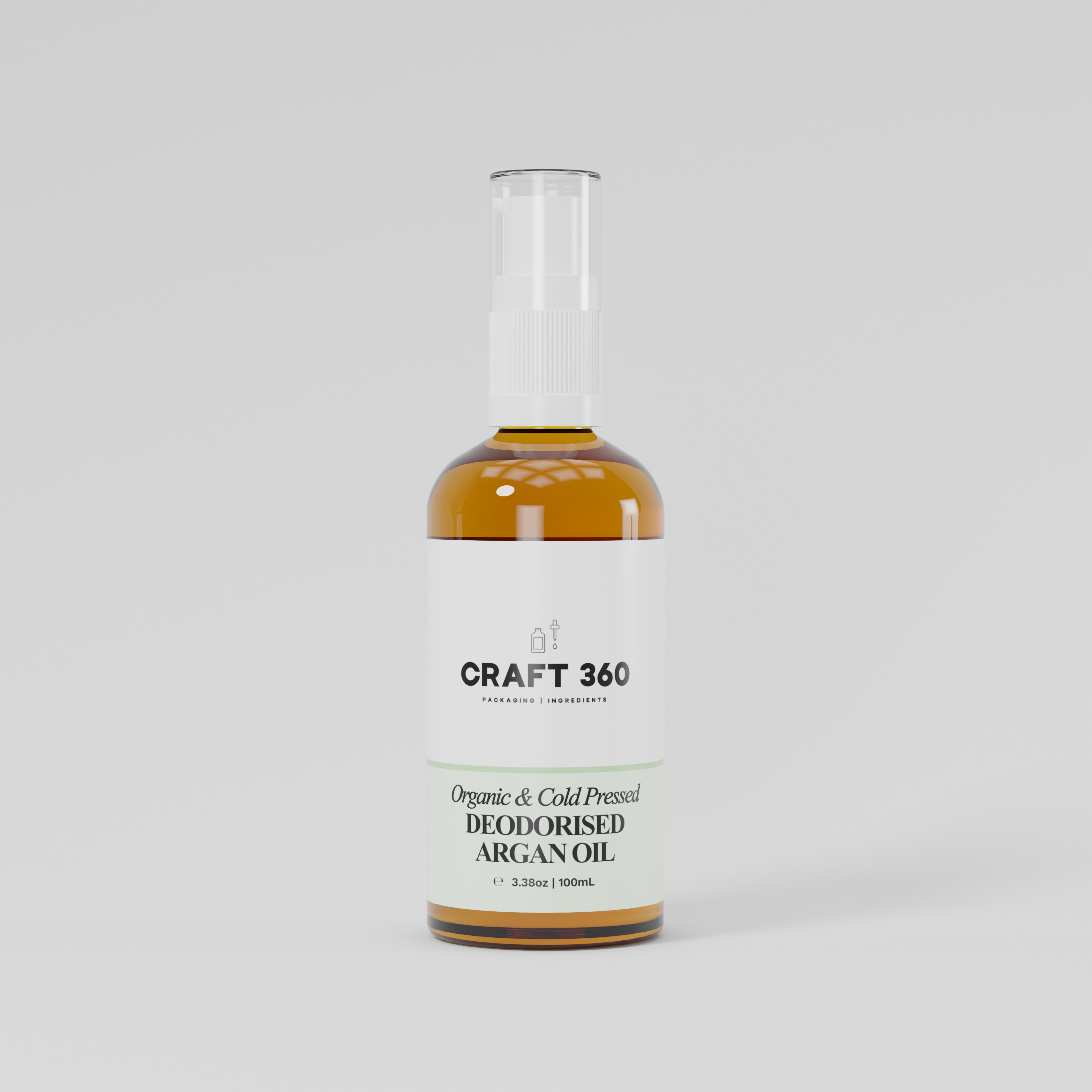
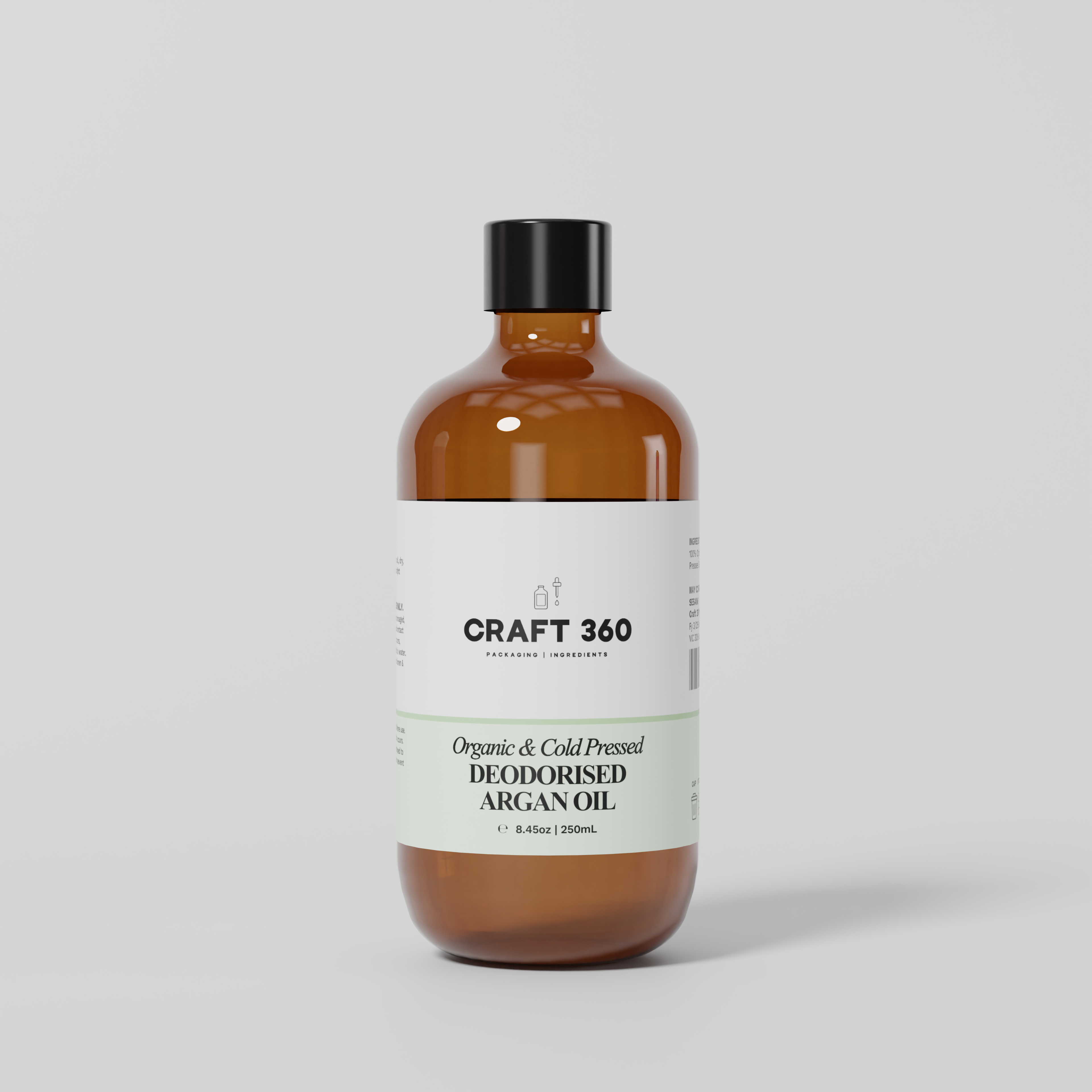
Carrier oils are a staple in scalp serums, hair oils and conditioning treatments. Fractionated coconut oil is lightweight and non-greasy, ideal for hair rinse formulations. Sweet almond and argan oil work well in richer, leave-in treatments.
Reed Diffusers
Looking for the best carrier oil for a reed diffuser? Fractionated coconut oil and dipropylene glycol (DPG) are the two most commonly used bases for reed diffuser blends. Fractionated coconut oil is odourless, stable and helps draw fragrance up the reeds evenly, making it one of the best carrier oils for reed diffusers available in Australia.
Massage & Body Oils
Blend carrier oils with your chosen essential oils for custom massage and body oils. Sweet almond and grapeseed oil are popular choices for their light skin-feel and smooth glide.
Lip & Body Balms
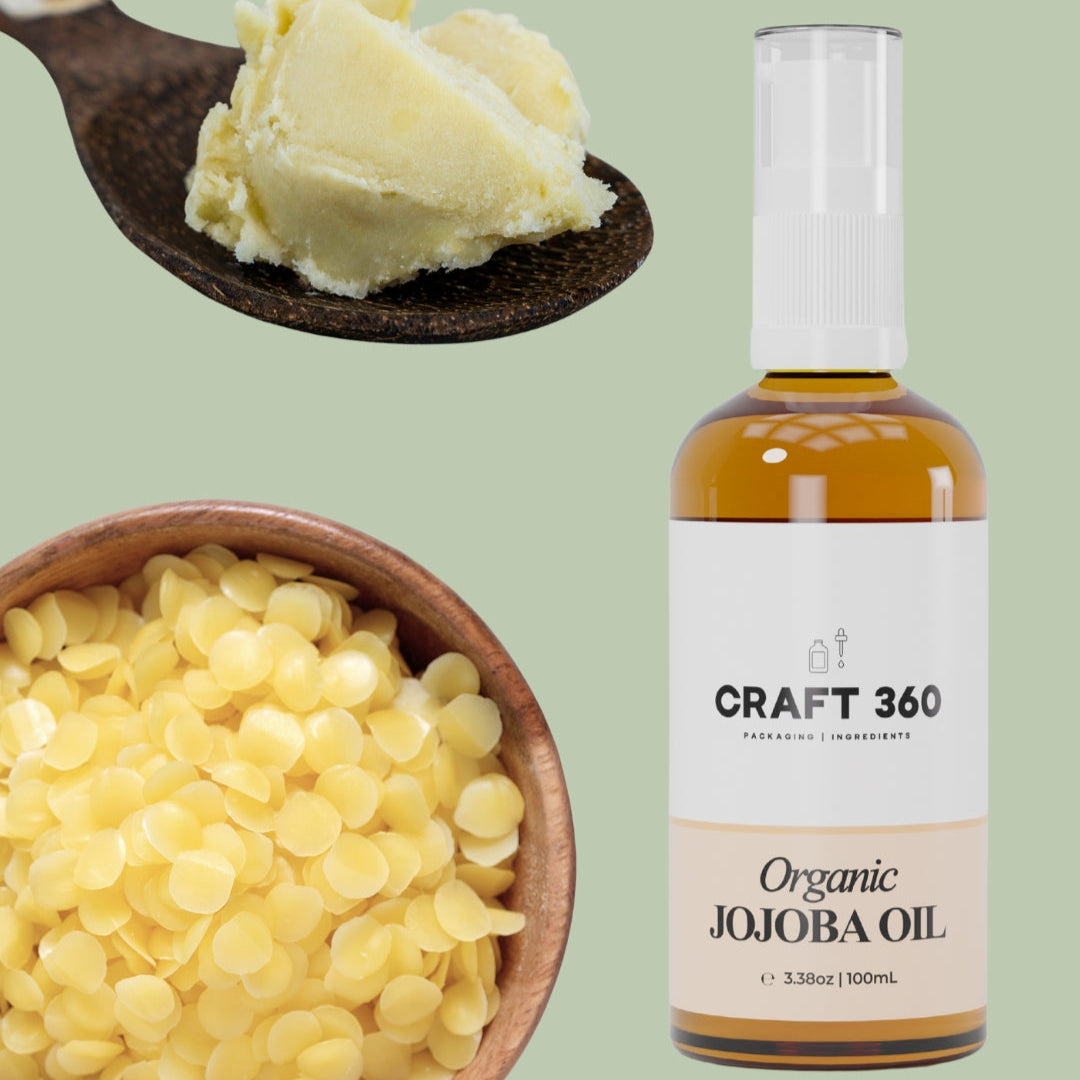
Combine carrier oils with butters and waxes for balms, salves and lip treatments. Explore our lip & body balm kits to get started with everything in one box.
Bath & Body Formulations
From body scrubs and bath oils to whipped body butters, carrier oils add richness, skin-feel and lubricity to wash-off and leave-on formulas alike. Explore our body butter kits and bath salt kits to get started.
What is a carrier oil and what is it used for?
A carrier oil is a plant-based, fixed oil pressed from seeds, nuts or kernels. Unlike essential oils, carrier oils do not evaporate, have little to no scent, and are safe to apply directly to the skin without dilution. Their primary role is to dilute essential oils to a safe concentration before skin contact, literally "carrying" the essential oil onto the skin.
Carrier oils are also rich in fatty acids, antioxidants and skin-nourishing compounds that provide their own benefits in a formulation, making them far more than just a dilution base.
What is the difference between a carrier oil and an essential oil?
Essential oils are highly concentrated, volatile plant extracts, they evaporate quickly, smell strong and must always be diluted before touching skin. Carrier oils are fixed, plant-based oils pressed from seeds, kernels and nuts. They don't evaporate, are rich in skin-nourishing fatty acids and are safe to apply directly to skin.
Think of it this way: the carrier oil is your base and your skin nourishment; the essential oil is your active and your fragrance. The two work together โ not interchangeably. Ready to build your formulation? Explore our aromatherapy kits โ
Which carrier oil is best for diluting essential oils?
The best carrier oil for essential oil dilution depends on how you plan to use the blend:
- Fractionated coconut oil: Lightweight, odourless, non-greasy and shelf-stable, ideal for roll-ons, massage oils and hair blends
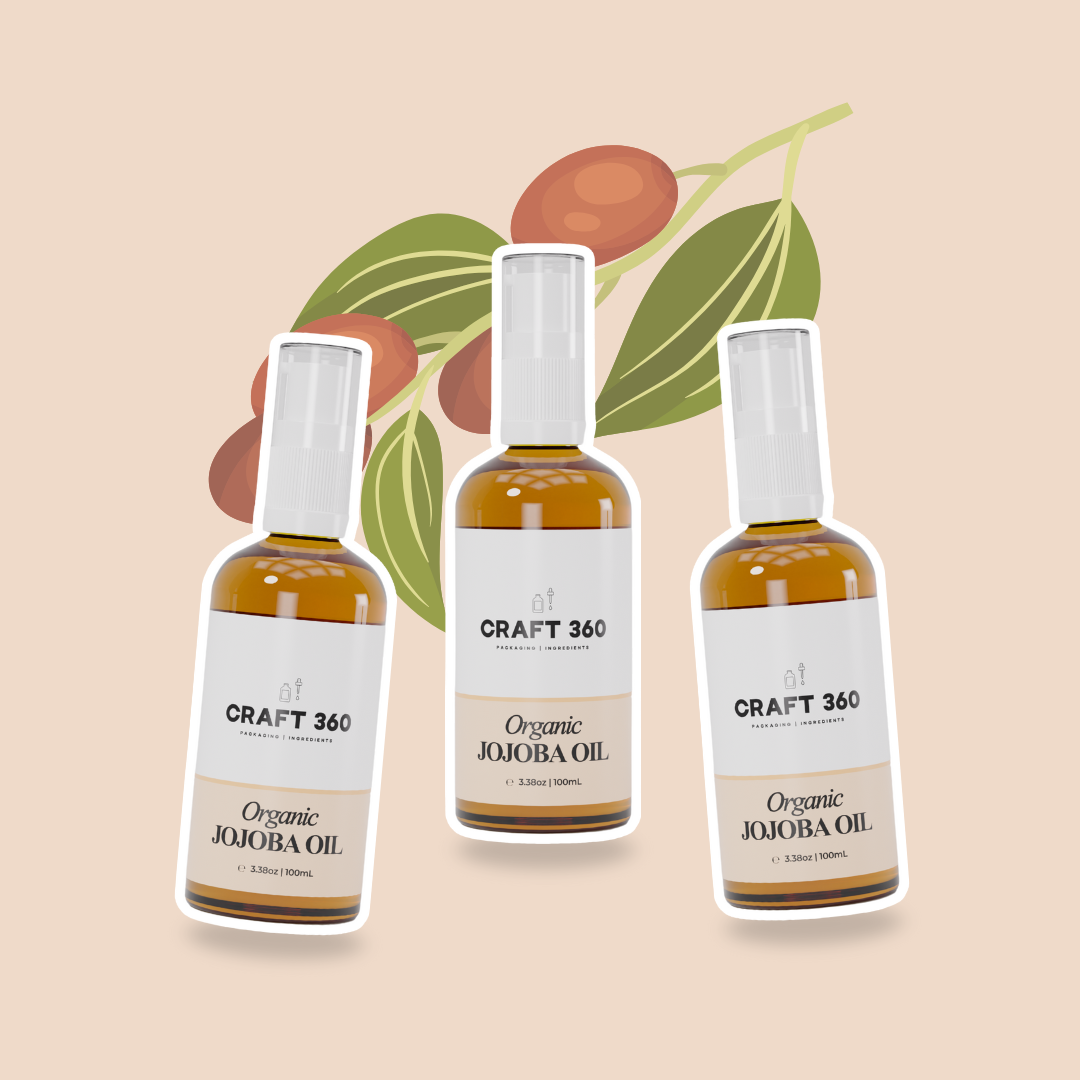
- Jojoba carrier oil: Technically a liquid wax; closely mimics skin sebum; excellent for facial serums and skin blends; very long shelf life
- Sweet almond oil: Light to medium weight; suits most skin types; good all-purpose dilution base
- Avocado oil: Richer and heavier; well suited to dry skin formulations and body butters
For most first-time makers, Fractionated coconut oil or Jojoba are the easiest starting points โ both are stable, widely compatible and easy to work with.
What is the best carrier oil for a reed diffuser?
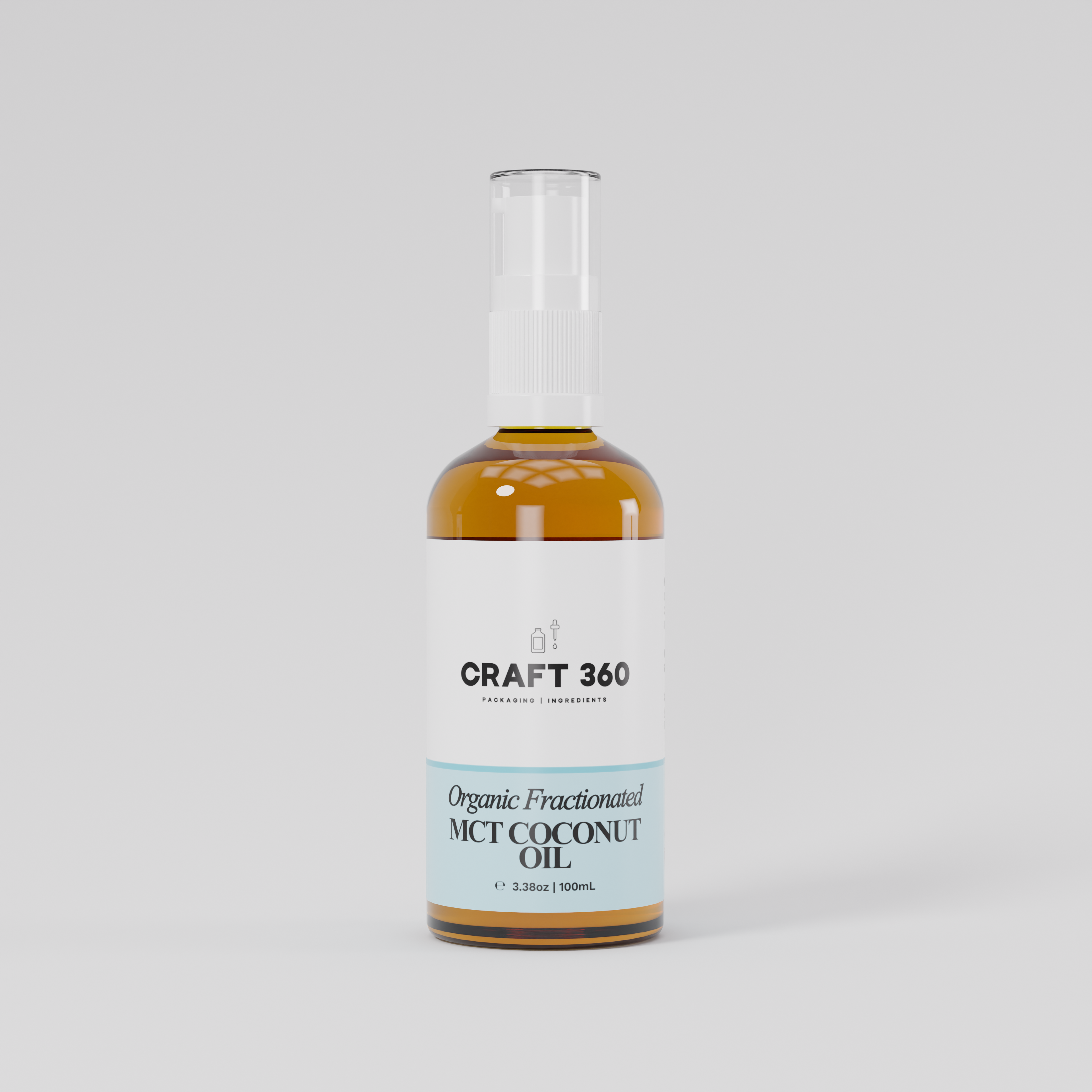
Fractionated coconut oil is widely considered the best carrier oil for reed diffusers. It is completely odourless, water-clear, and has a thin enough viscosity to travel up diffuser reeds effectively. It won't go rancid sitting in an open vessel the way some other carrier oils might, making it a reliable, long-lasting base for your diffuser blends.
To use: combine your chosen essential oils with fractionated coconut oil at a typical ratio of 25โ30% essential oil to 70โ75% carrier, depending on the scent intensity you prefer.
Is jojoba oil a carrier oil?
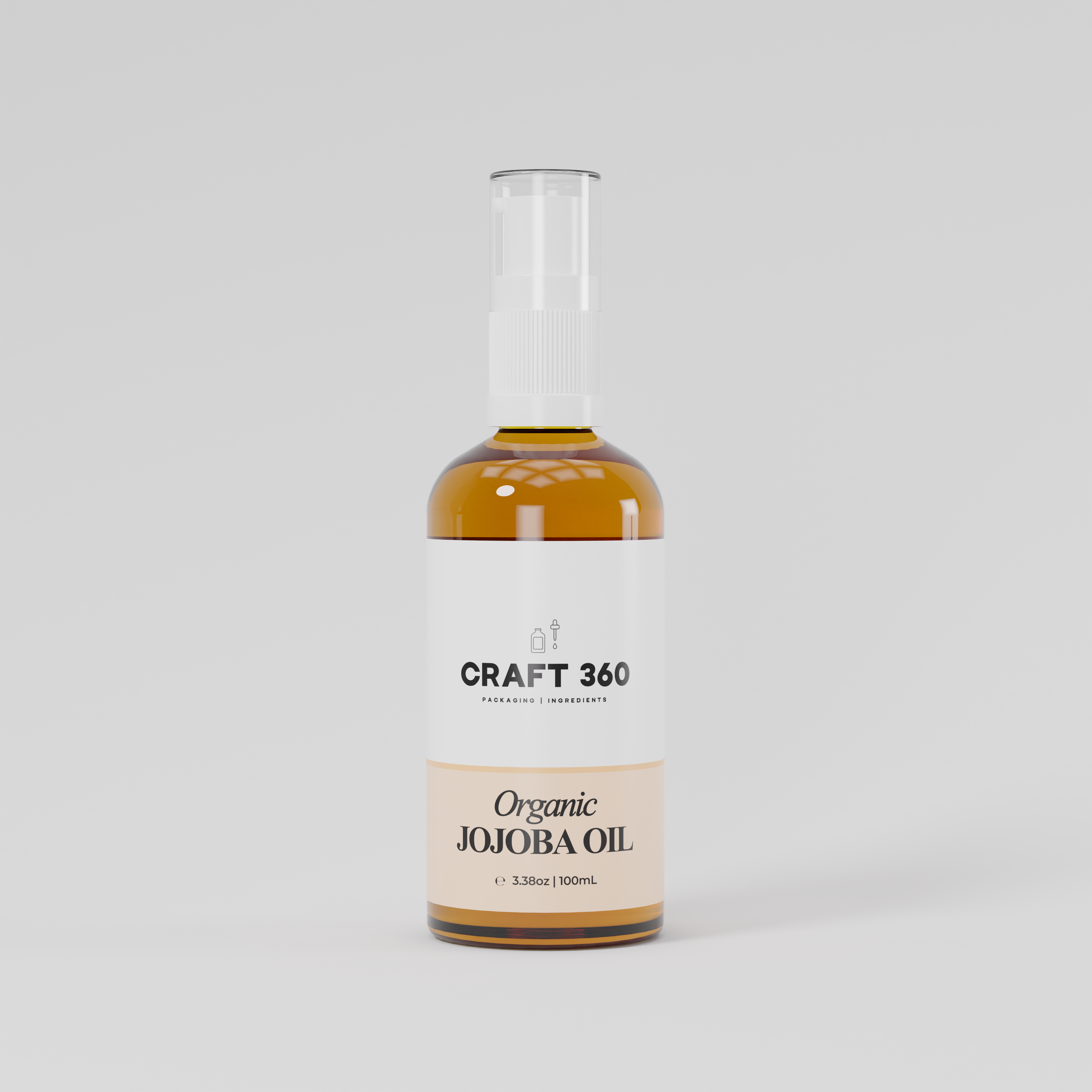
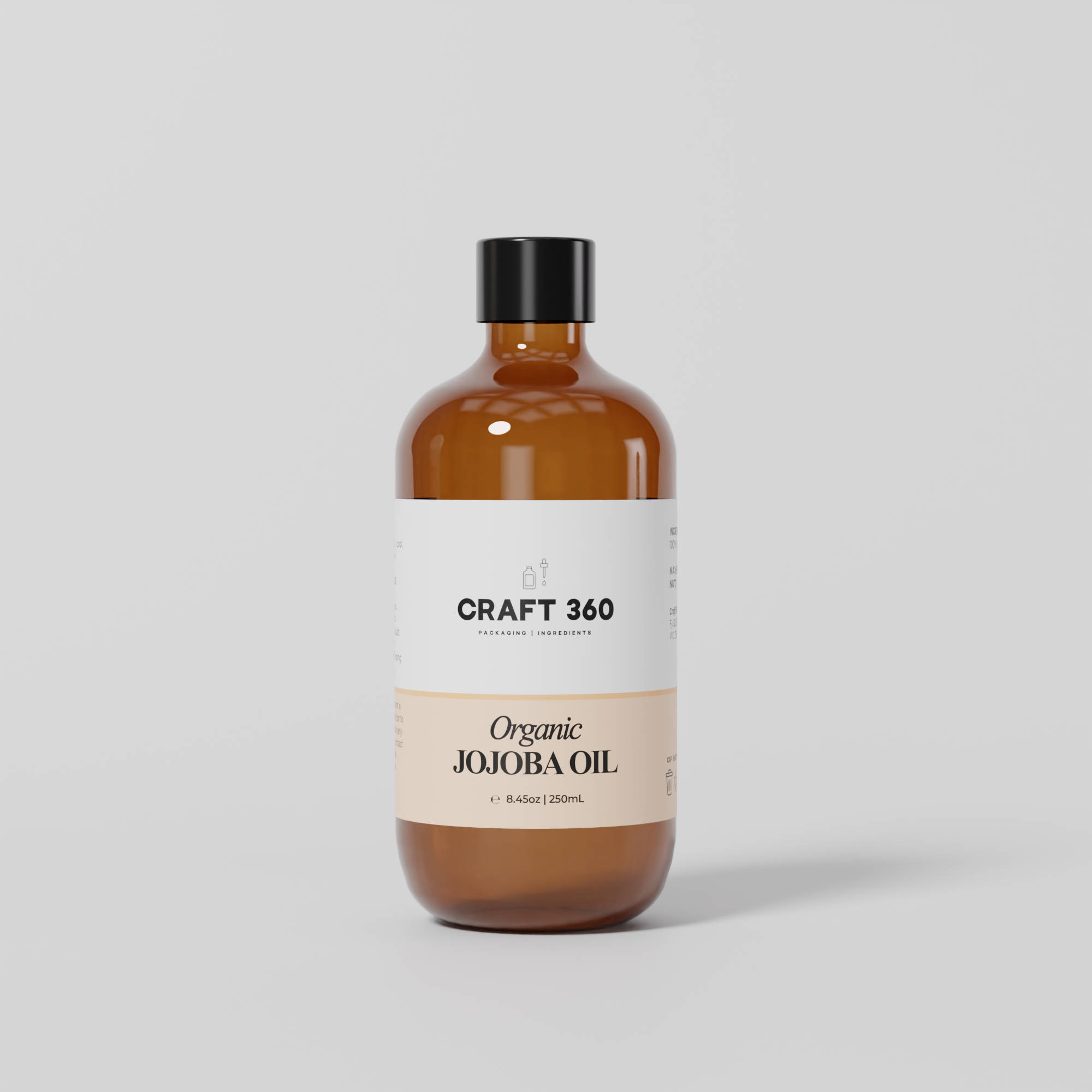
Yes, Jojoba is one of the most popular carrier oils used by Australian makers, though technically it is a liquid wax rather than a true oil. This distinction matters because it gives jojoba an exceptionally long shelf life (it rarely goes rancid), and a unique skin-feel that closely mirrors the skin's own sebum. It's a top choice as a carrier oil for essential oils in facial serums, skin blends and roll-on formulations.
Can I use carrier oils for hair care?
Yes. Carrier oils are widely used in hair and scalp formulations across Australia. Fractionated coconut oil works well in lightweight hair oils and rinse-off treatments. Sweet almond and argan oil are popular in richer, leave-in conditioning blends. For scalp serums, try blending a carrier oil with rosemary cineole essential oil, one of the most searched essential oil combinations in Australia for hair care. Always dilute your essential oils correctly before scalp application.
Do you offer bulk or wholesale carrier oils for small businesses in Australia?
Yes. Craft 360 offers bulk and wholesale-friendly pricing on carrier oils for Australian small businesses, whether you're a soap maker, skincare brand, aromatherapist or massage therapist. We stock flexible pack sizes so you can test a new oil in small quantities before committing to larger volumes, without being locked into unrealistic minimums.
Every order ships fast and tracked Australia-wide. For bulk or pallet pricing, request a wholesale quote here โ
How do I store carrier oils to keep them fresh?
Store carrier oils in a cool, dark place away from direct sunlight, heat and humidity. Keep lids tightly closed at all times, oxygen and light are the primary causes of oxidation and rancidity. Most carrier oils keep well for 12โ24 months when stored correctly, though this varies by oil type. Oils high in polyunsaturated fatty acids like rosehip and evening primrose, have a shorter shelf life and benefit most from refrigeration. More stable oils like Jojoba and Fractionated coconut oil keep well at room temperature for significantly longer.
What is fractionated coconut oil and how is it different from regular coconut oil?
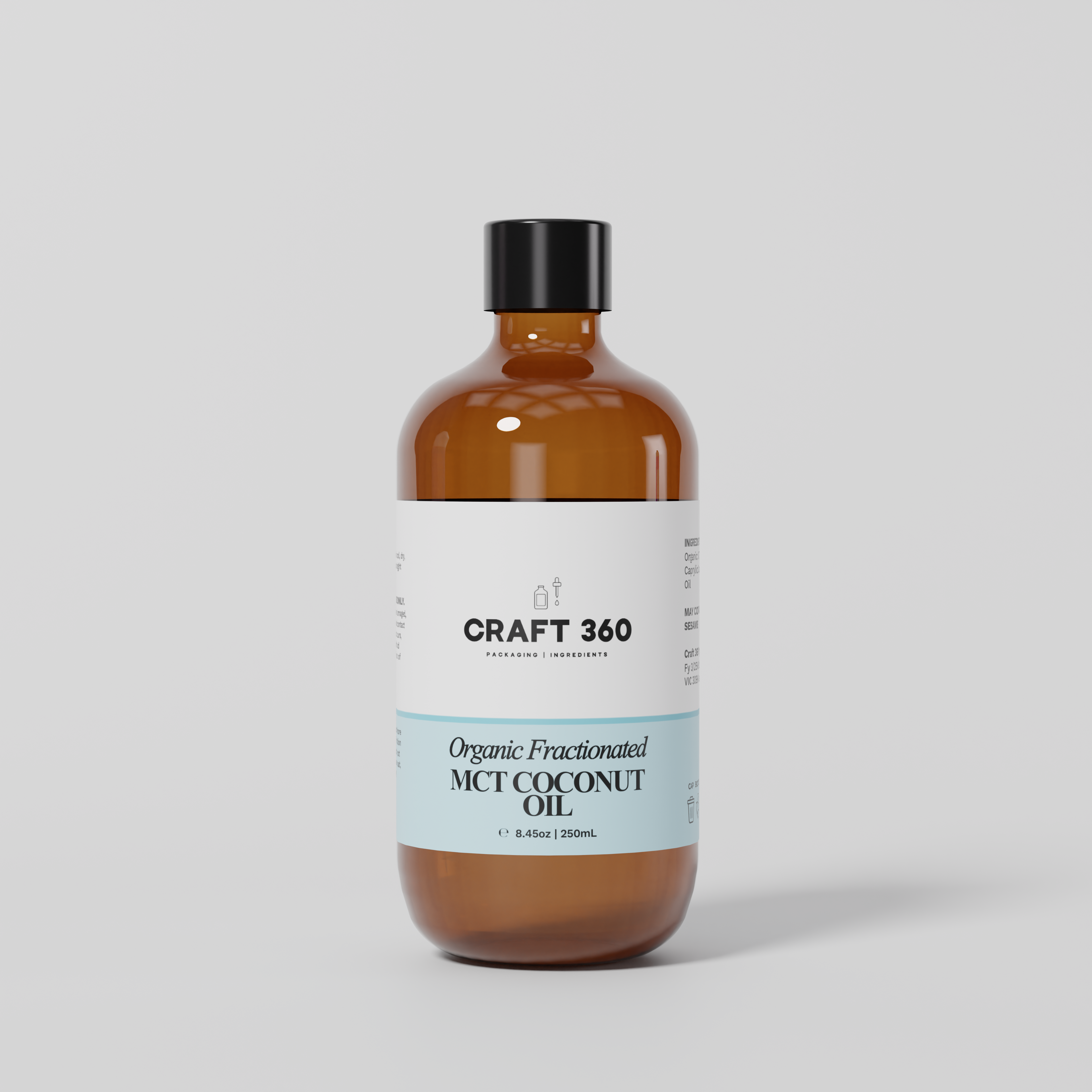
Regular coconut oil is solid at room temperature because it contains long-chain fatty acids that solidify when cool. Fractionated coconut oil has had those long-chain fatty acids removed through a fractionation process, leaving only the medium-chain triglycerides (MCTs). The result is an oil that stays liquid at room temperature, has virtually no scent, a very long shelf life and a light, non-greasy skin feel.
For formulation purposes, fractionated coconut oil is one of the most versatile carrier oils available,ย suitable for reed diffusers, roll-ons, massage blends, hair oils and facial serums.
Why Craft 360 for Carrier Oils?
We're a family-run Australian supplier built specifically for makers โ not a generic health food store or a bulk commodity wholesaler. Every carrier oil we stock is chosen with formulation in mind.
- 100% pure carrier oils, cold-pressed where applicable, clearly labelled with origin and processing method
- Organic carrier oils available across key varieties
- Flexible sizing โ test in small quantities before scaling up
- Wholesale and bulk pricing for small businesses, without unrealistic minimums
- Fast, tracked shipping across Australia on every order
- Paired perfectly with our 100% pure essential oils and aromatherapy kits
โ ๏ธ The information on this page is provided for general educational purposes only and is not intended as medical, cosmetic formulation, or regulatory advice. Always check supplier documentation and consult applicable regulations.